The Things I Don’t Know How to Do
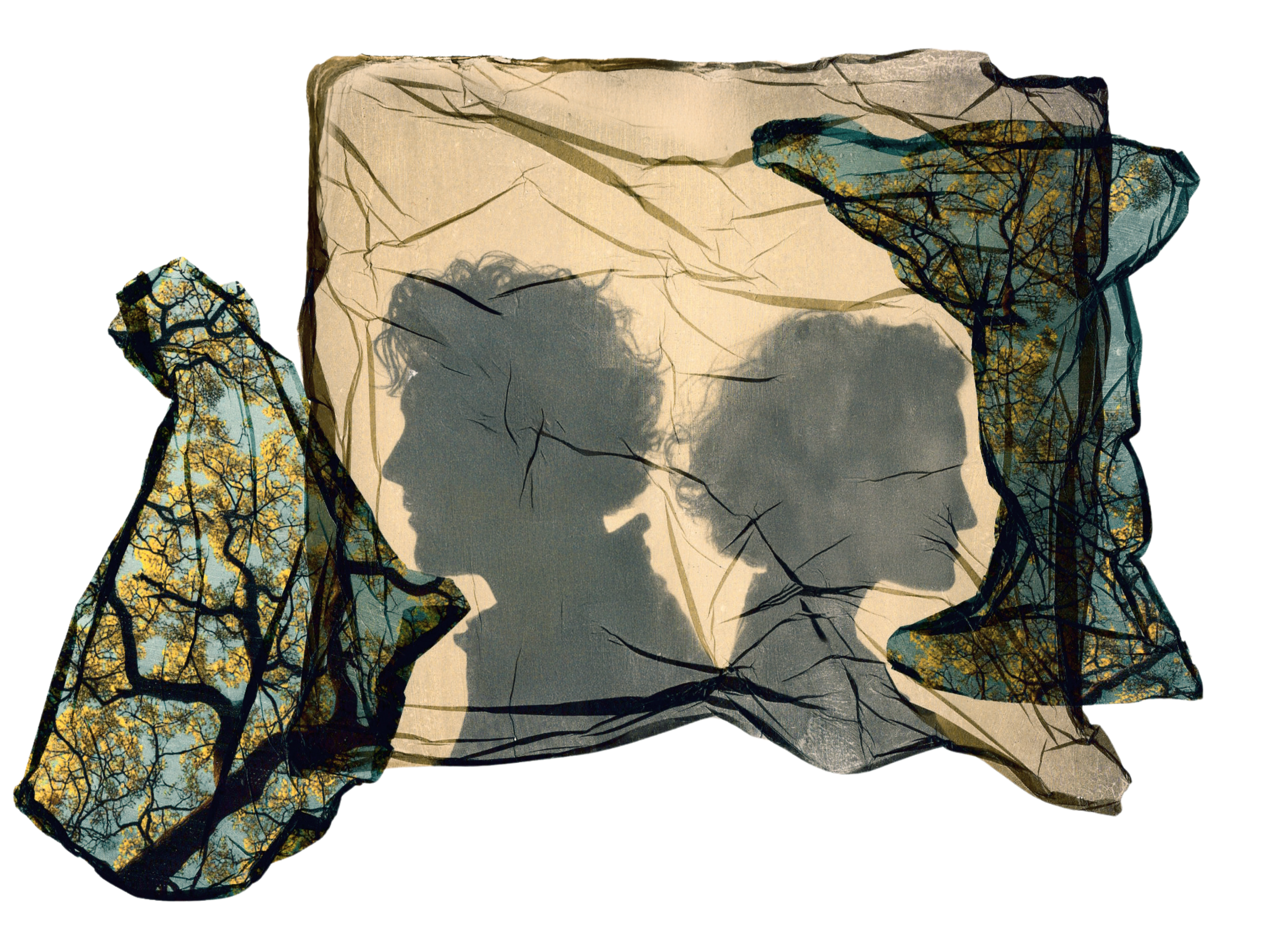
What if I Stay | © Rachel Waters
I can’t remember the last time I regularly did something I was this bad at.
The courts at Tom Sawyer Park are full and it’s a Sunday morning. The air is sticky. I see my sister walking in the parking lot towards me with her racket. We’ve been meeting here every Sunday for the last 8 weeks. There’s something very humbling about playing tennis for the first time. What’s even more humbling is still being quite bad at it after 8 weeks. I don’t claim to be an athlete by any means, but I do feel like my hand-eye coordination is quite strong and that I am a quick learner. Maybe it’s the Virgo in me, but I expected to be better at this by now. But, TENNIS. Wow. Did I say it was humbling?
You would think I could control the ball better after 8 weeks and be able to volley a bit better by now, but honestly I feel like it’s the first week and I’ve just started playing. The learning curve is bigger than I imagined it would be.
I’ve bought the right attire. I’ve got the nice racket. We even purchased one of those cages to pick up and store the balls, which makes us look more serious than we actually are. And yet none of it helped my swing. My control of the ball is just not there. It’s pretty embarrassing with courts full of people. But, my sister and I just laugh and laugh and carry on.
I’m reminded of how uncomfortable new things are. And how important it is to continue to have those experiences as we get older.
Tennis has been pushing me to be patient, which if you ask my husband, I lack every bit of that quality. Being a beginner in something requires it though, along with humility and a willingness to look foolish. My sister and I have that in spades. But, I think most importantly it’s nice to be doing something without needing a good result to justify the time doing it.
I’m also seeing that in my experimental work.
There have been some successes with how some of that work has emerged in commissions and also how some of my commercial work has given me some unusual room to bring my own creative instincts into it. That’s the dream for every artist. My work may look like it comes from a very assured place, but it truly grew out of years of experimentation, trying new things, and being uncomfortable.
I spent two years troubleshooting printer wheel marks in the pigment ink on my transparencies. I tried different printers, different print settings, different drying times. I tested different transparency brands. Dozens of combinations of tests and lots of money down the drain. It was a small problem that became an enormous one, and finally figuring out a method that worked for me felt like a huge victory. There was no guarantee then that any of this experimentation would lead anywhere. I was learning a process because I was curious about it. Those experiments eventually became the work.
This season, I've had a few moments that have made me realize just how far that work has traveled.
Earlier this year, I came across an open call for work for an exhibition called New Interpretations at Kore Gallery. Artists were asked to choose an existing work of art and interpret it in their own way. I chose Andrew Wyeth’s Christina’s World. I’ve always been drawn to that painting.
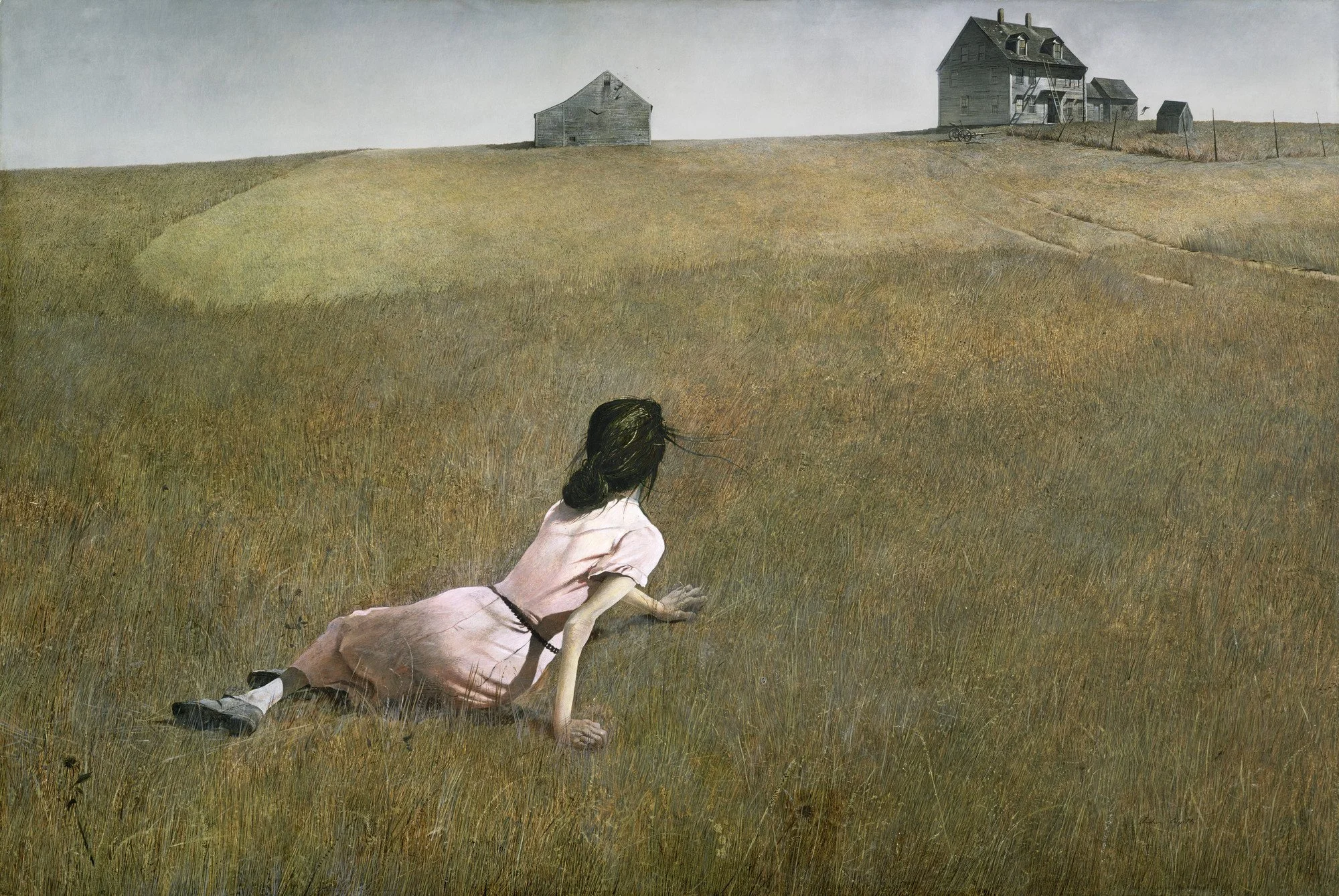
“Christina’s World” | Andrew Wyeth, 1948
What does longing feel like to you?
Memory?
Or time passed?
Those are some of the things I feel when I look at Wyeth’s work and it felt right to explore them through my emulsion lift process. Without being too literal to the paintings backstory and posed model, I photographed a version that spoke that same language in a rural Kentucky field, then pushed those ideas further through the materials themselves. The work, What the Land Keeps, sold before I made it into the gallery opening. I won’t pretend like that wasn’t a big deal to me. I’ve only recently started putting this work out into the world, so what an amazing feeling knowing that someone connected with it enough to want to live with it on their wall.
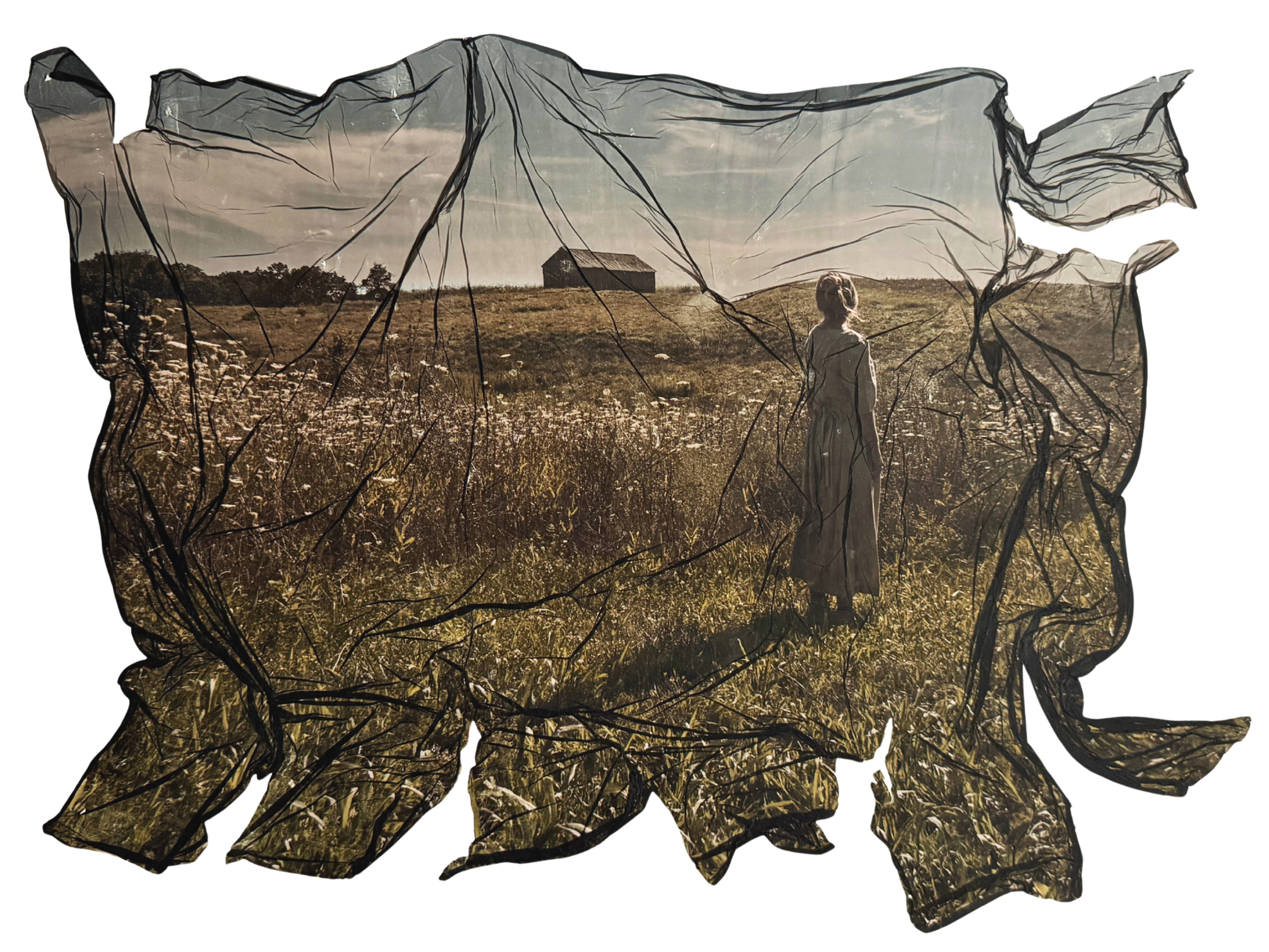
What the Land Keeps | © Rachel Waters
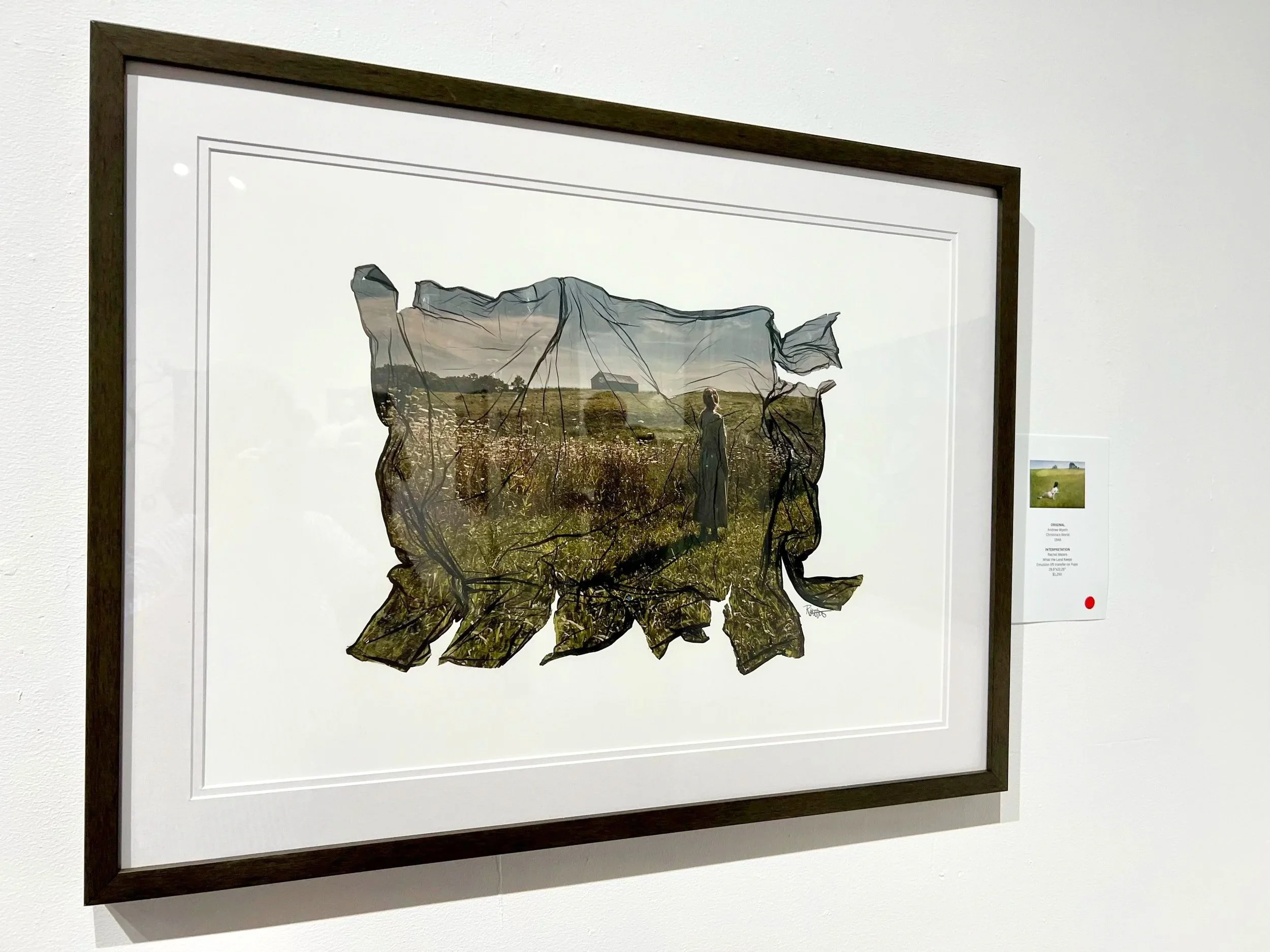
What the Land Keeps hanging at Kore Gallery during the opening night of Interpretations
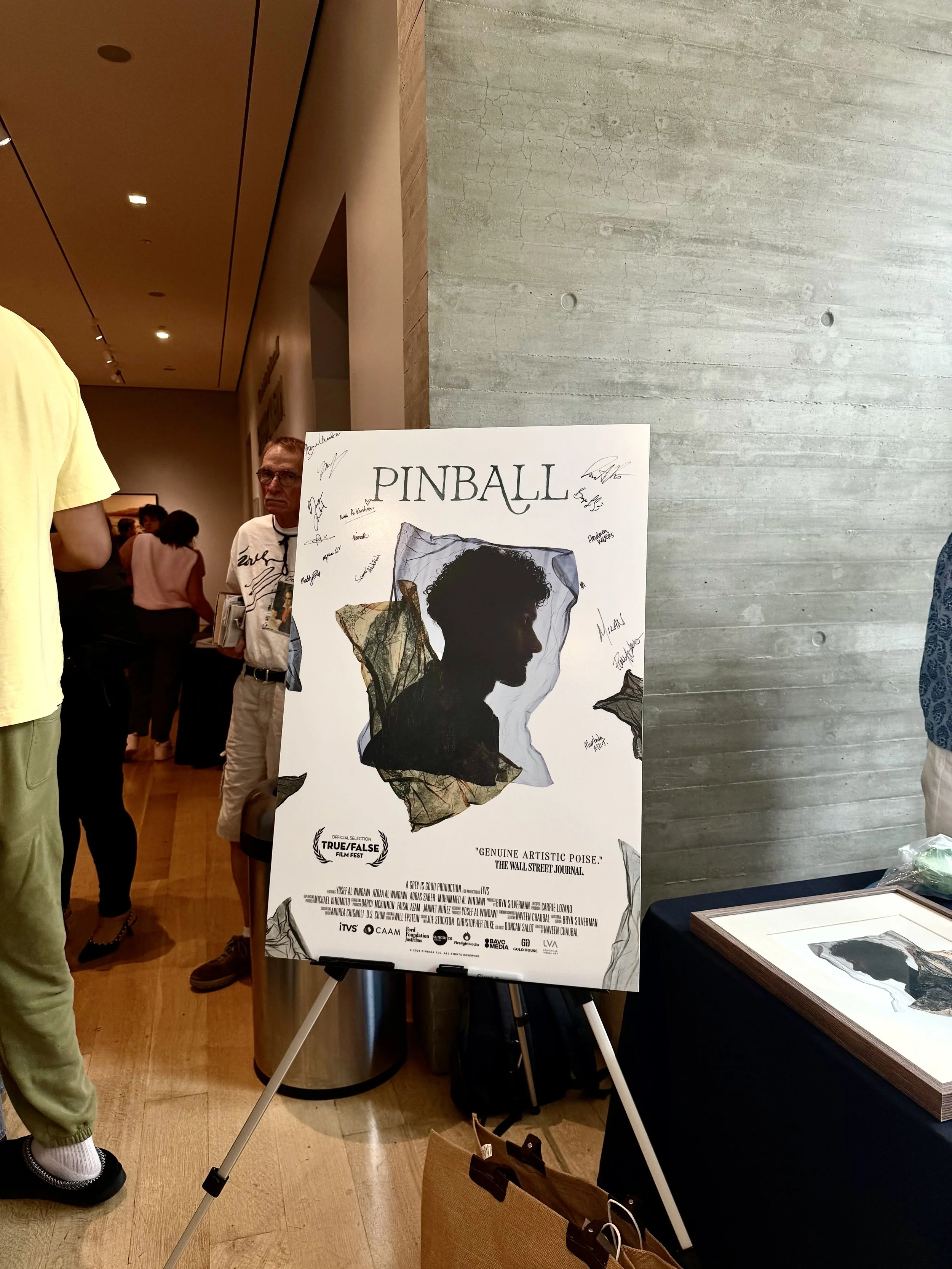
Around the same time, that experimental work found it’s way somewhere I couldn’t have imagined when I was fighting with printer wheel marks and emulsion tears years ago: a feature documentary movie poster.
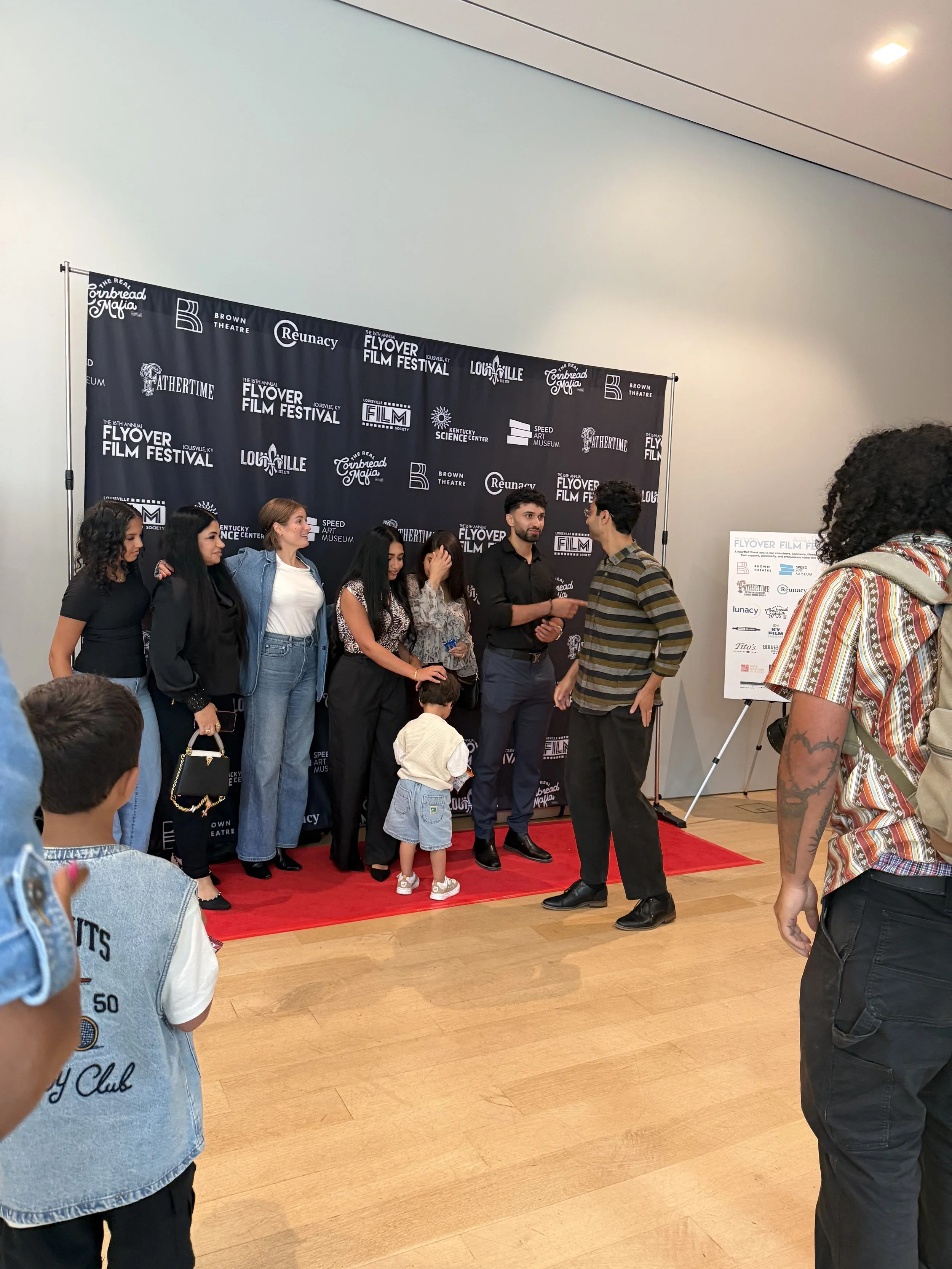
Sitting in the Speed Cinema theatre this summer, watching Pinball on screen, felt surreal.
Months earlier, I photographed Yosef and his sister, Azraa, in their home. We made lifestyle imagery and portraits for marketing the film, but there was another intention behind the shoot: to create the foundation for a poster, that director, Naveen Chaubal, had commissioned me to make through my experimental work for the film. It felt like an opportunity made for me.
I kept thinking about the idea of home.
Yosef and his family left Baghdad for Kentucky after the Iraq War, and much of the film wrestles with what home means when your relationship to place has been interrupted. Through coffee meetups and zoom calls with Naveen, we talked at length about what that would look and feel like visually for this poster. We wanted the poster to hold some of that tension.
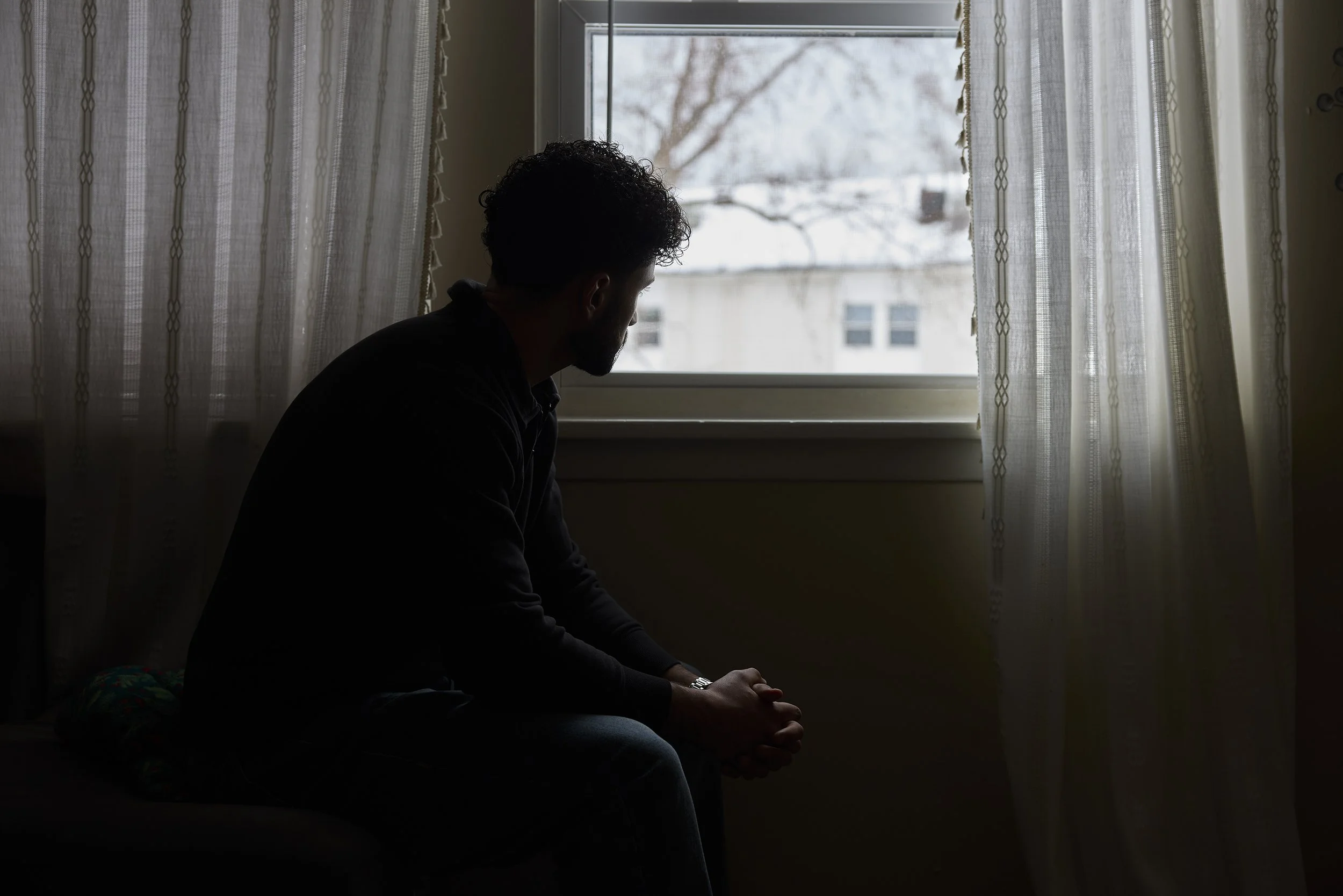
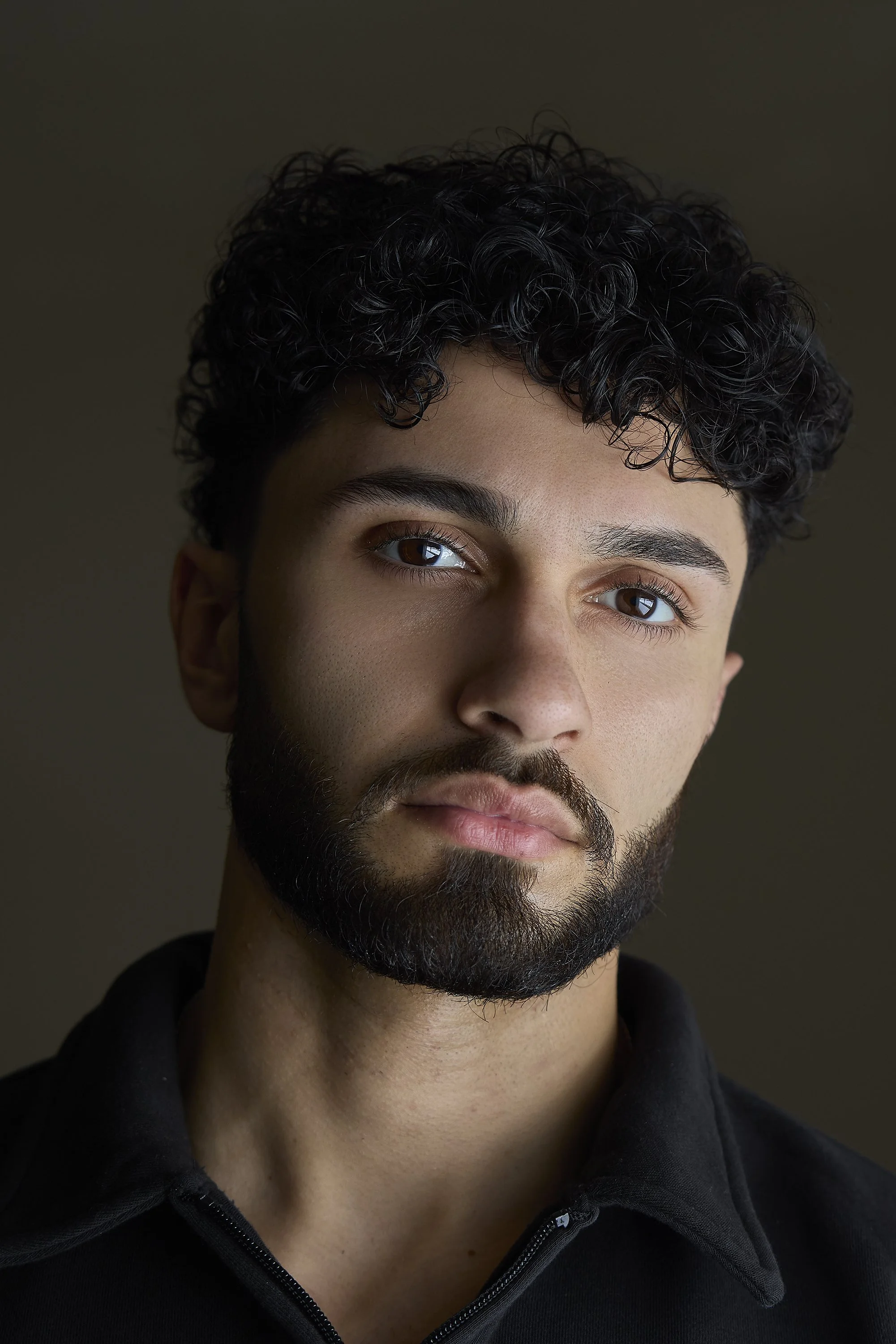
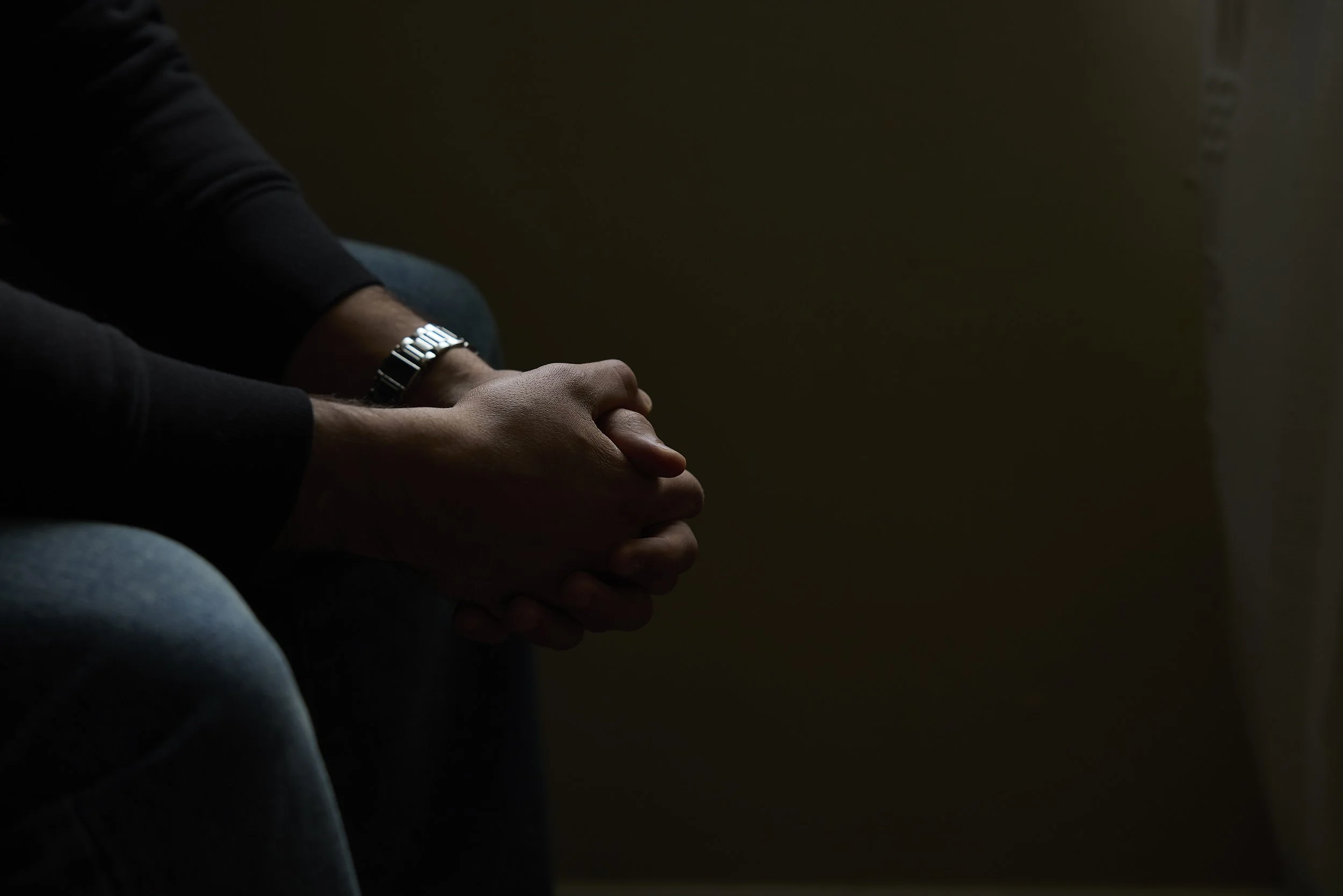
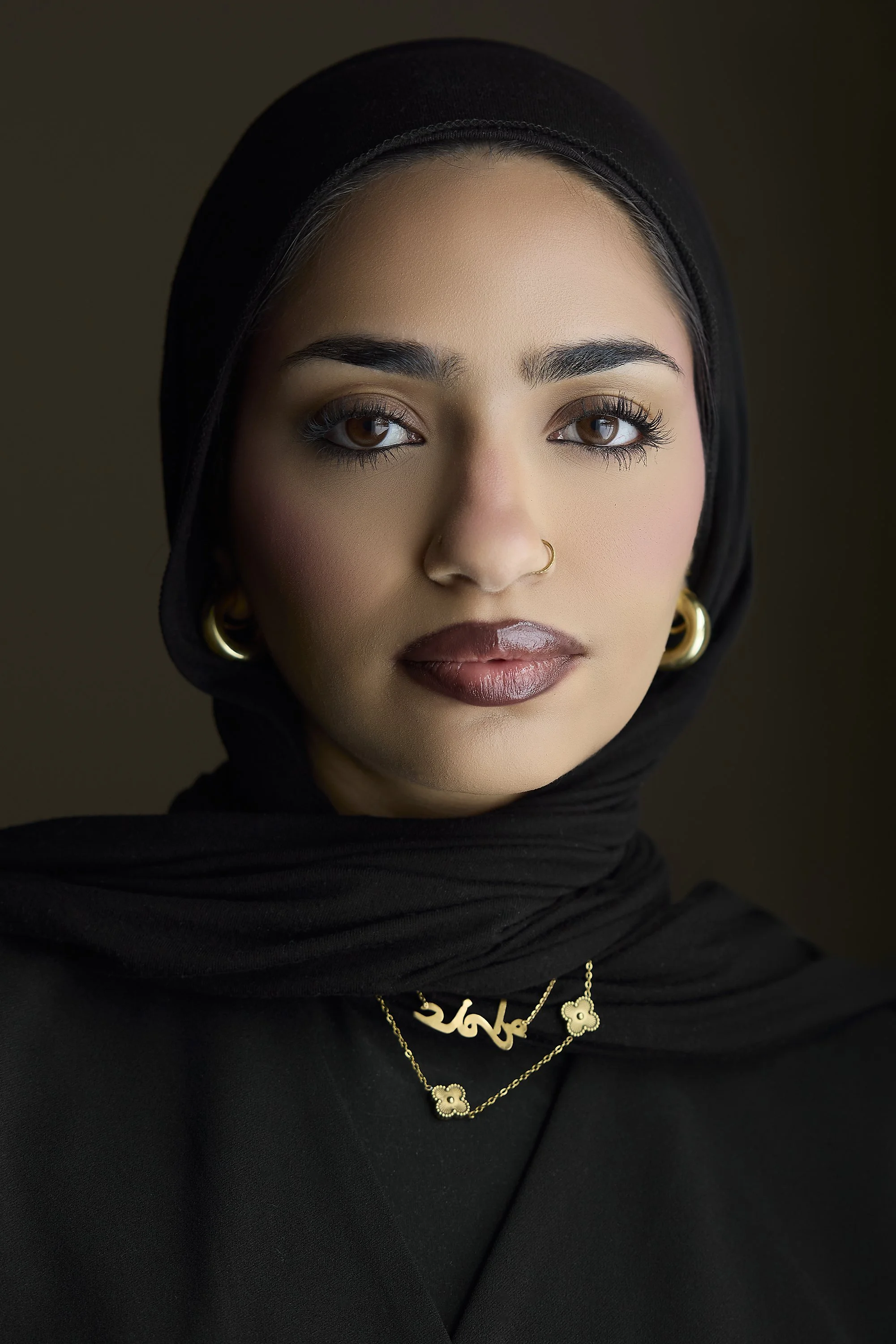
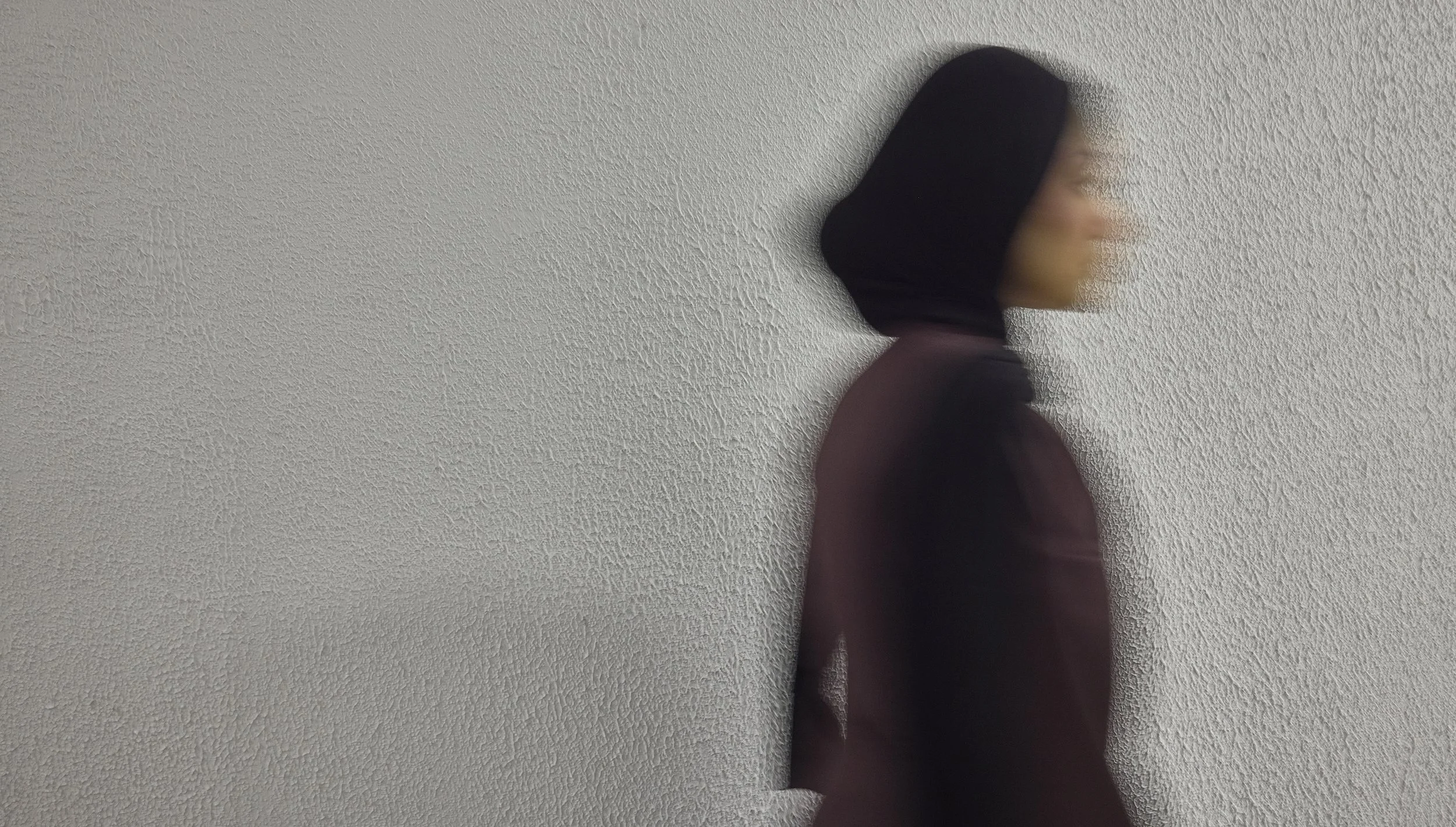
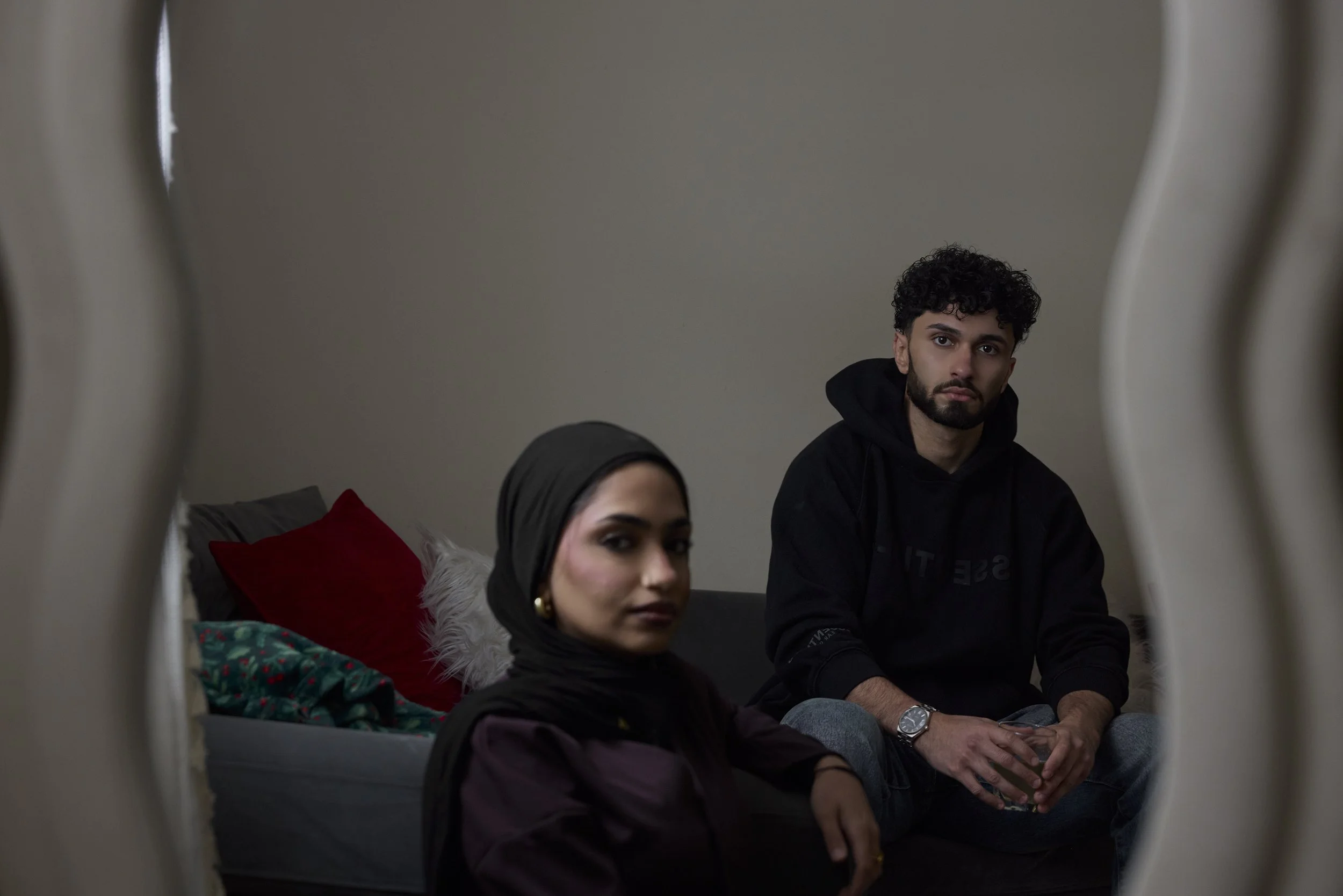
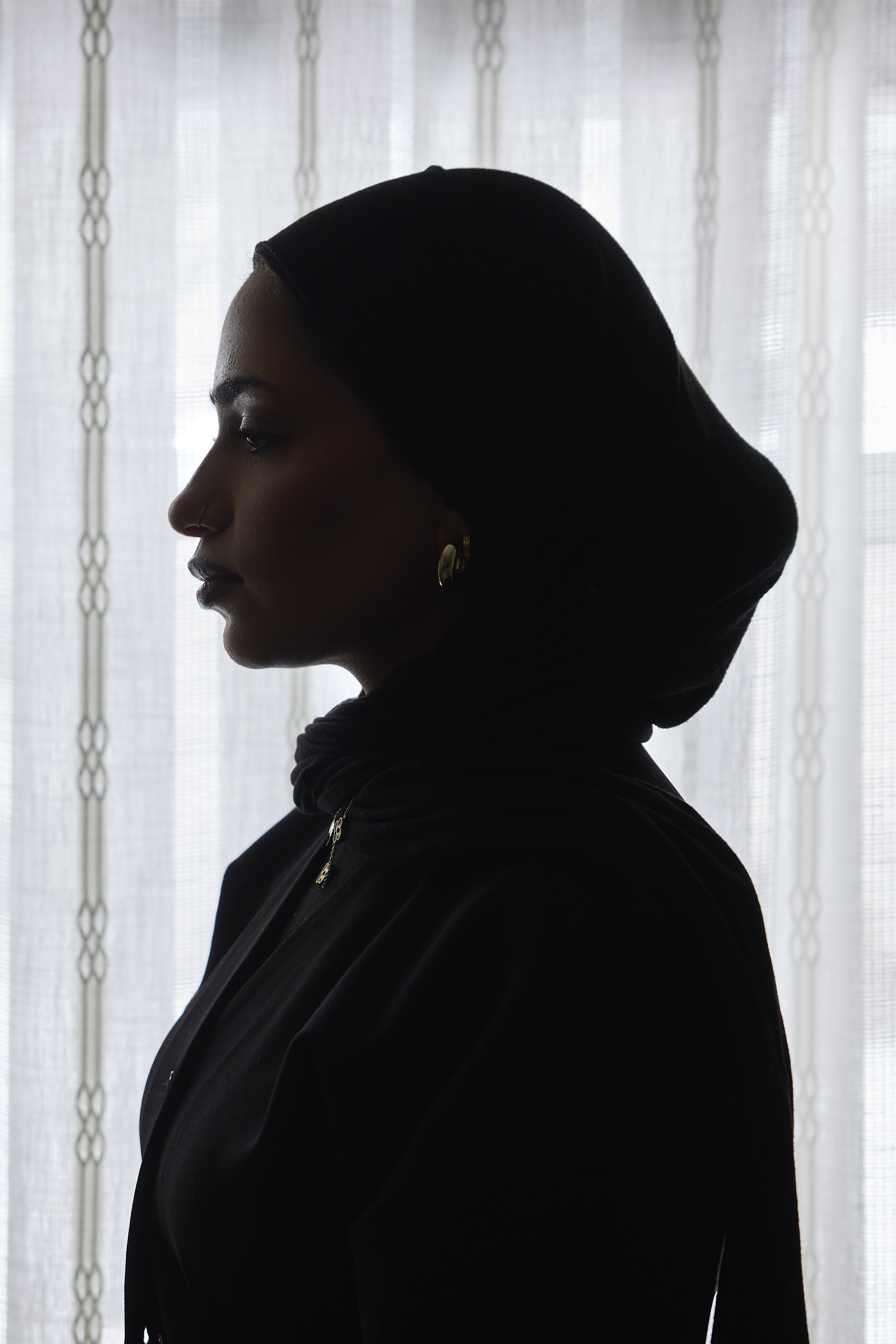
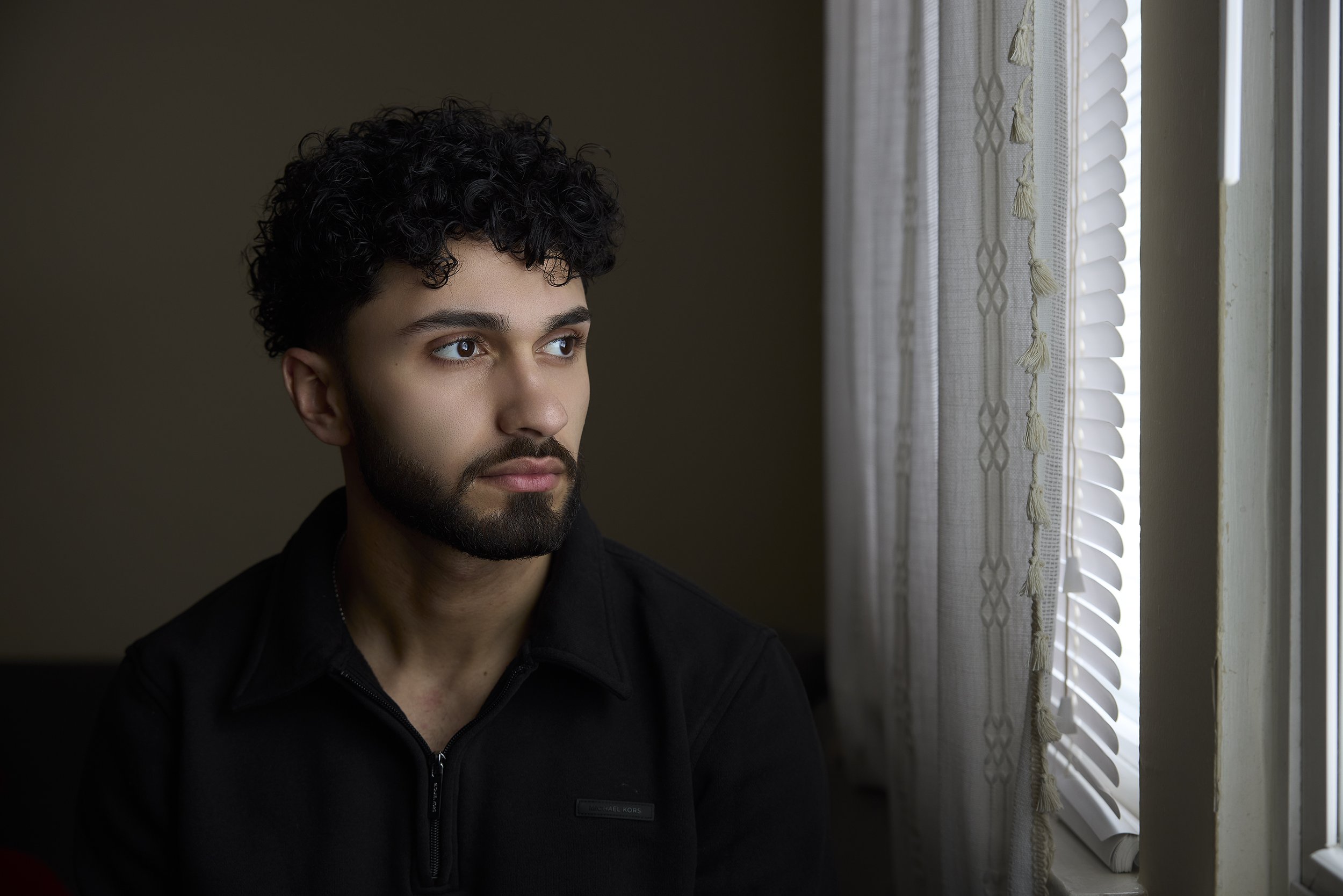
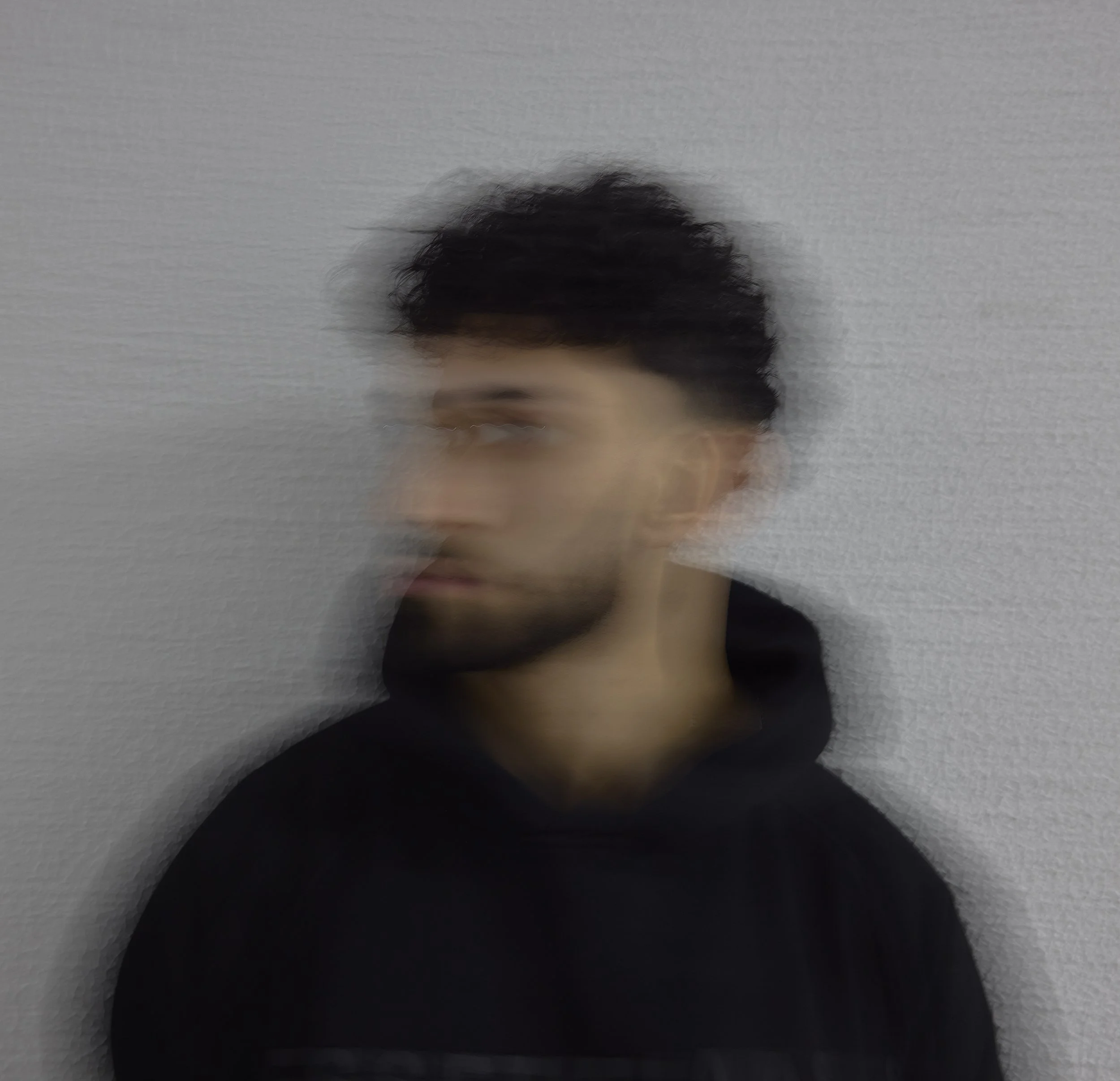
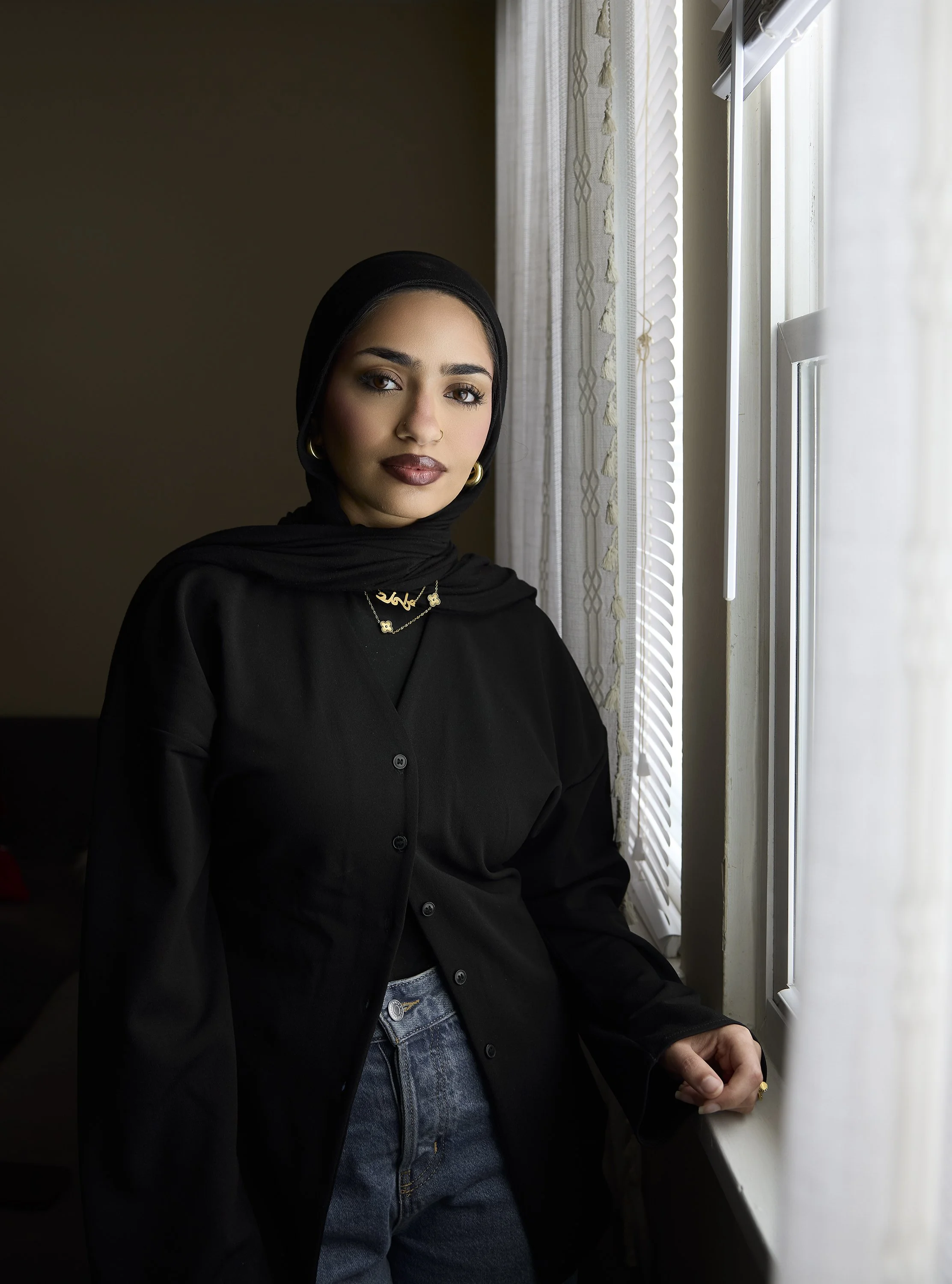
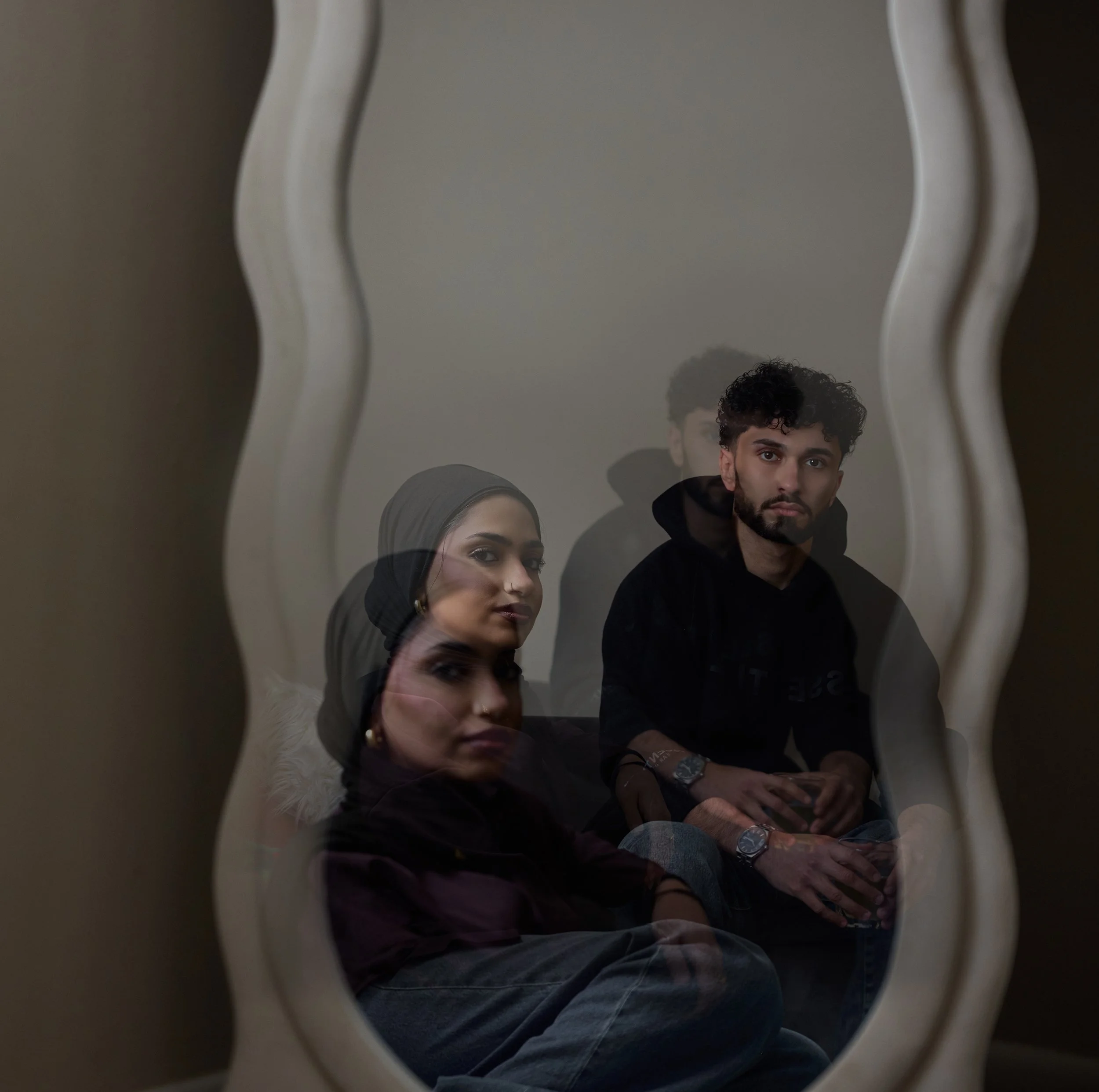
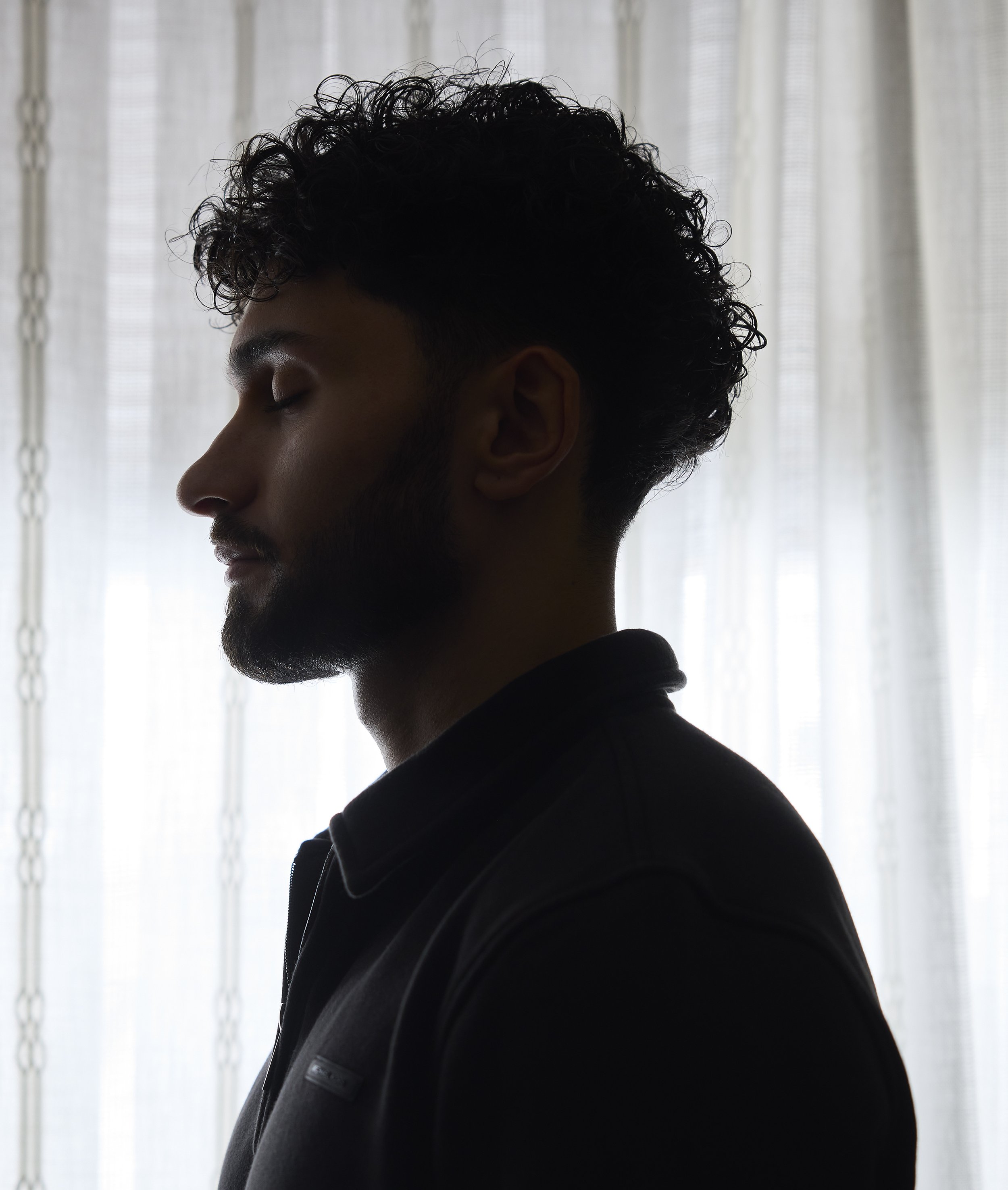
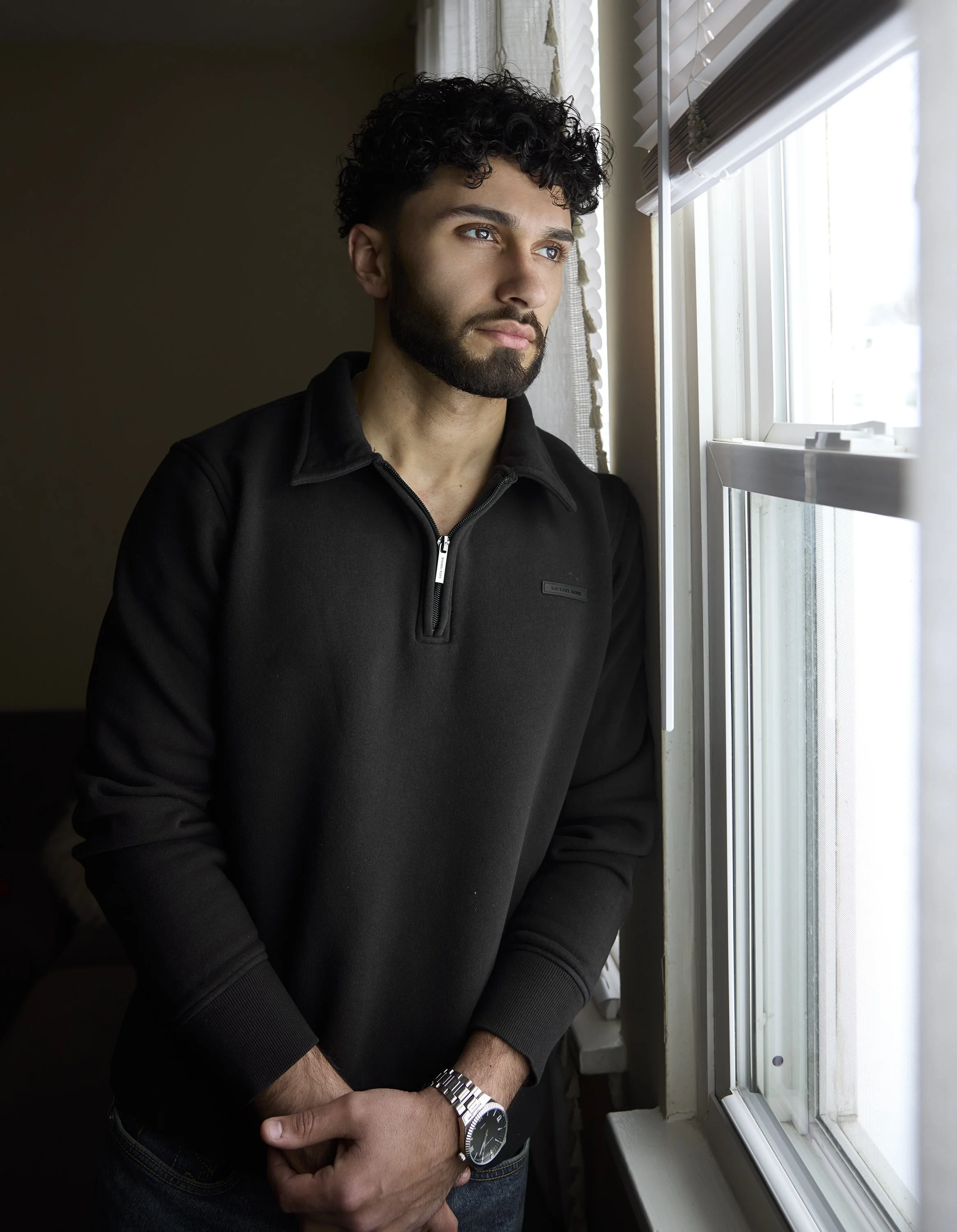
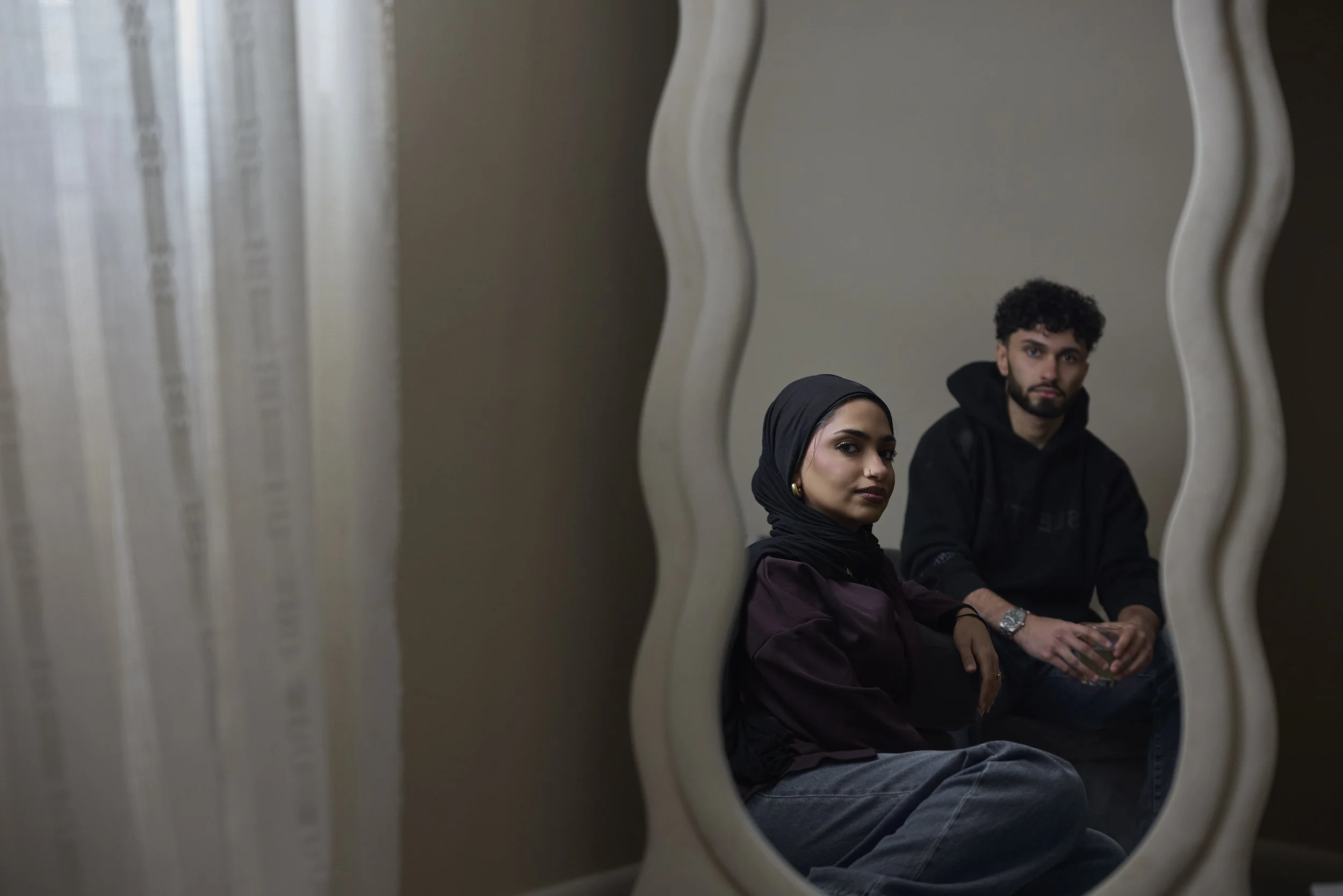
Photographs from my session with Yosef Al Windawi and Azraa Windawi | © Rachel Waters
I asked Yosef to stand in front of the living room window. It was very snowy outside that morning and the light reflecting off the snow poured into the room. His face fell into darkness. I asked him to close his eyes and just pause for a moment.
I wondered where he went.
That became the frame that anchored the poster. I made an emulsion lift from that photograph, allowing the image to wrinkle, shift, and distort through the transfer. Then I made a second lift from a map of Baghdad and layered it over the first. Two images. Two places. Held together.
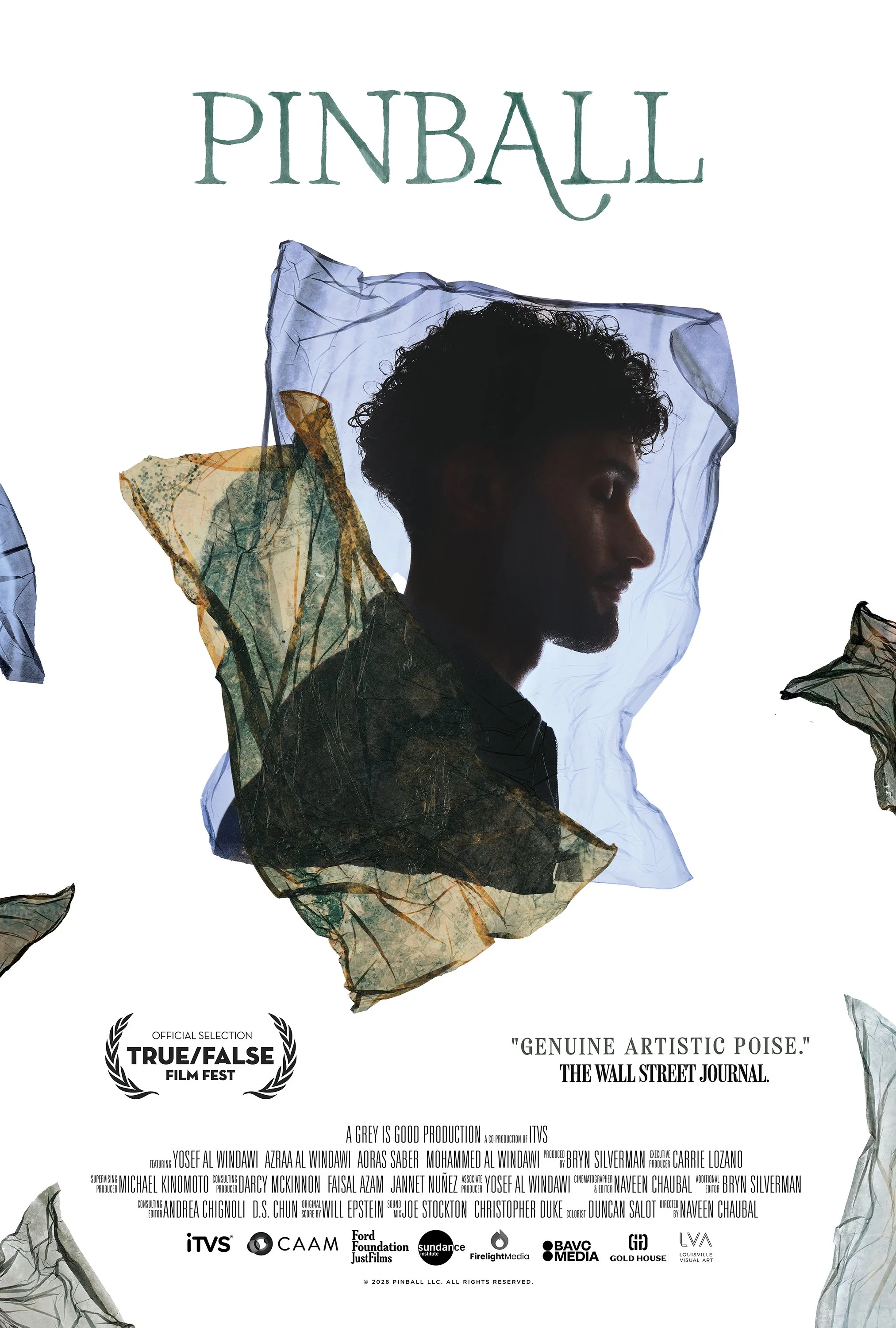
Final Poster for Pinball
The original piece was ultimately gifted to the Pinball team. After spending so much time thinking about home while making it, that feels like the right place for it to have landed.
Sitting in the theatre months later, I realized how personally tethered I’d become to this story. Place, memory, and identity are ideas I return to again and again in my own work. I grew up in a military family and moved around a lot, and I’ve also carried questions of where I belong. My experience is, of course, vastly different from Yosef and his family, but I think that’s part of what making art offers me.
A way to connect with experiences beyond my own, while also revealing something about myself in the process.
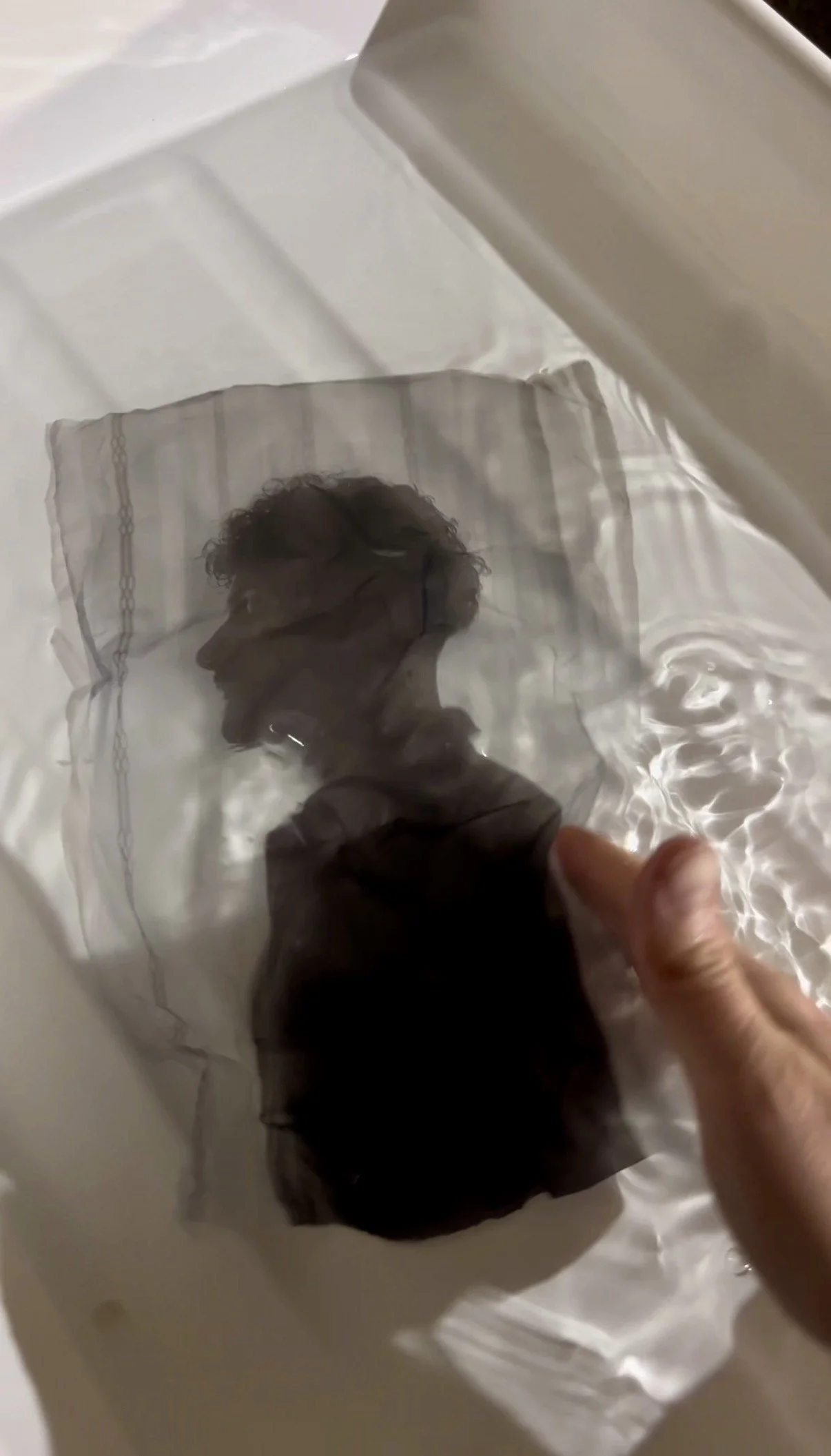
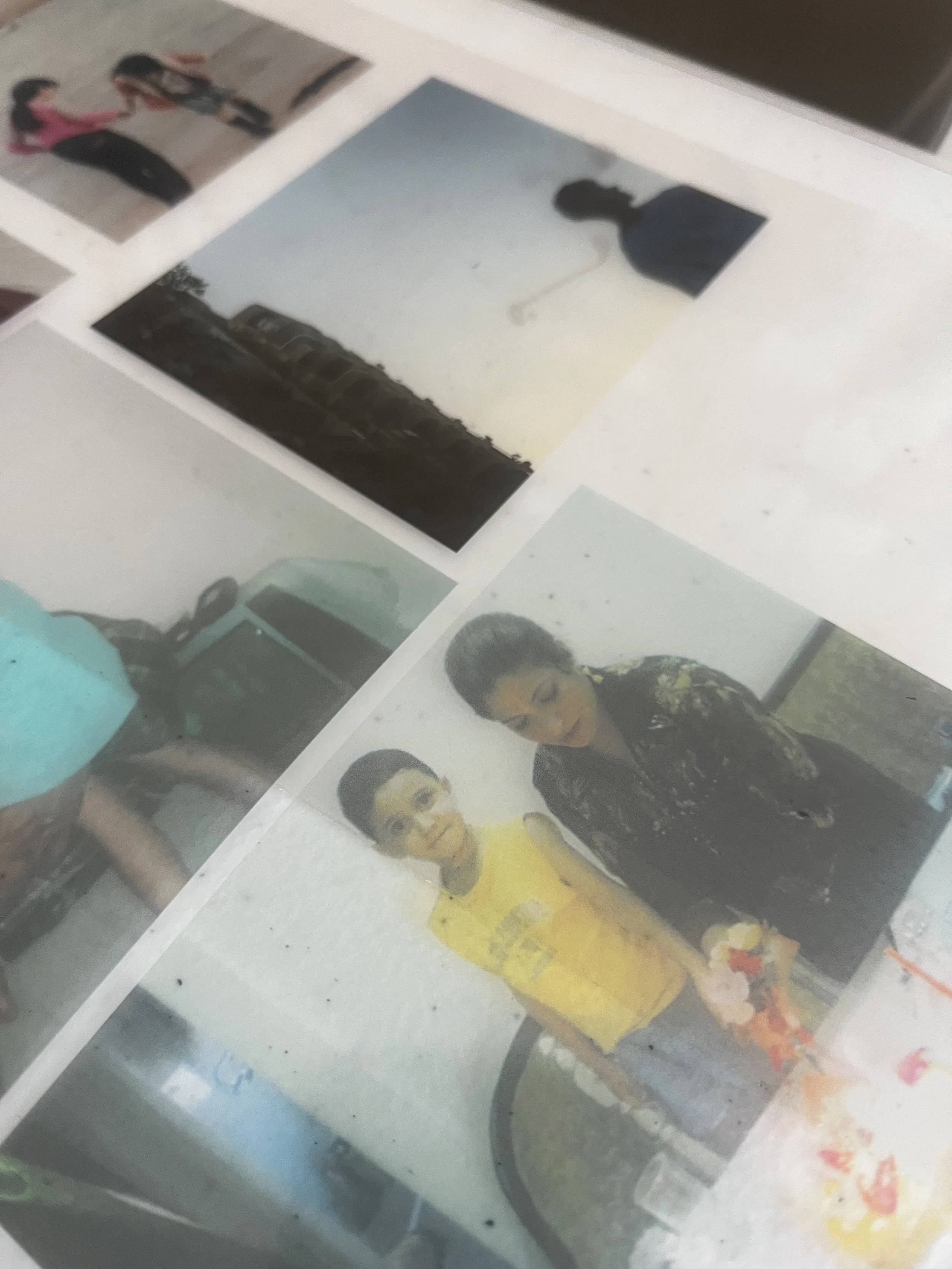
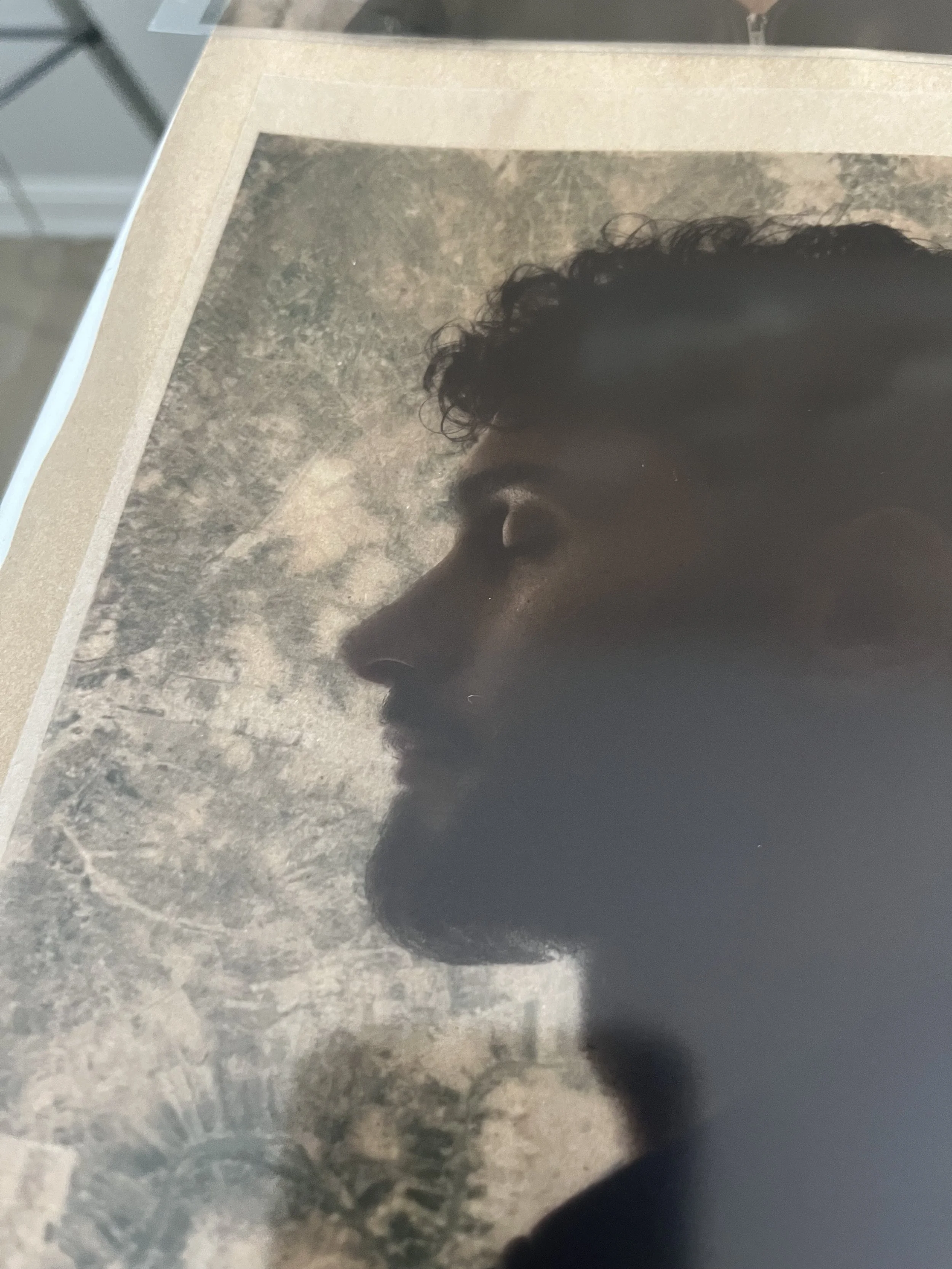
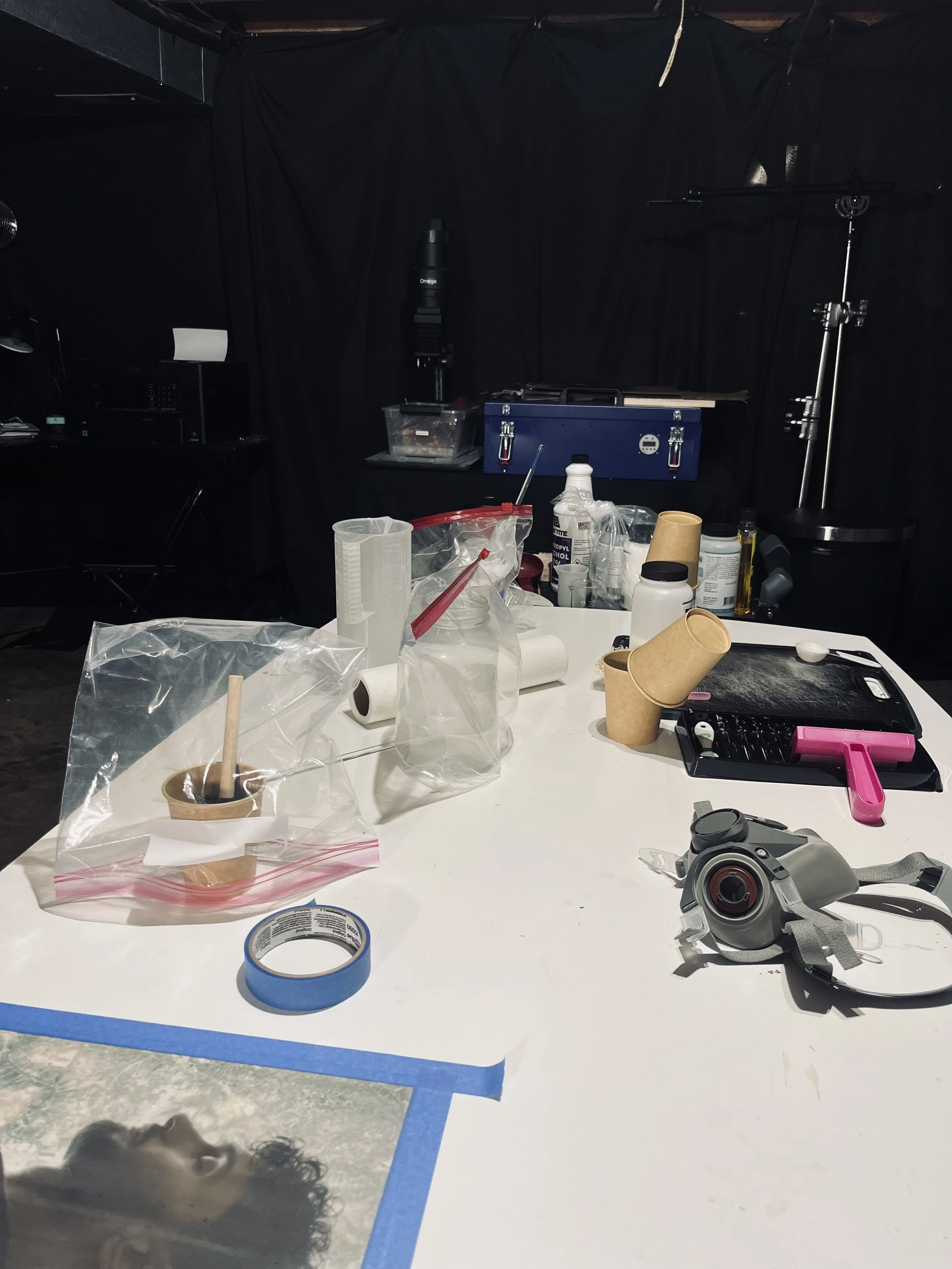
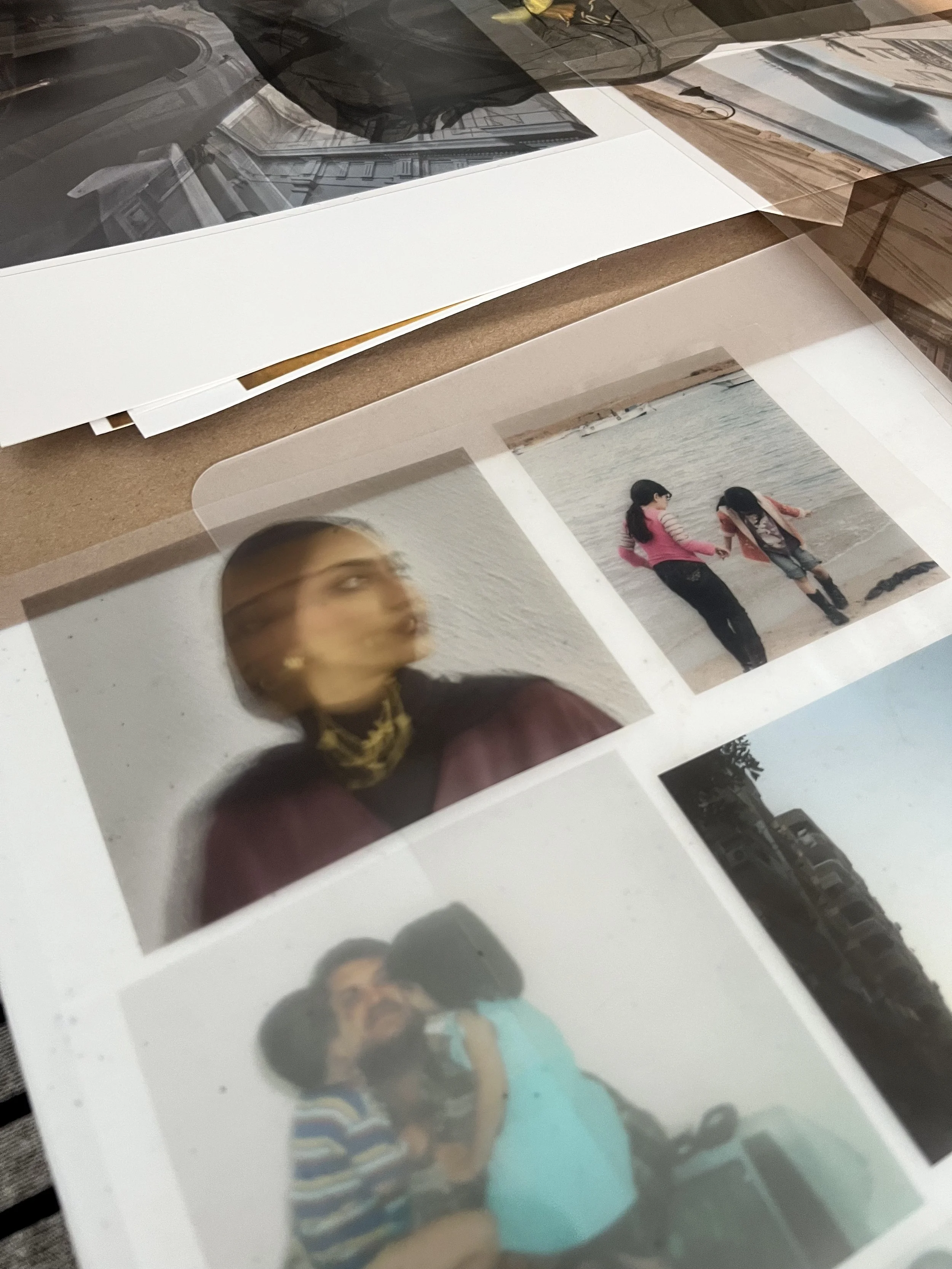
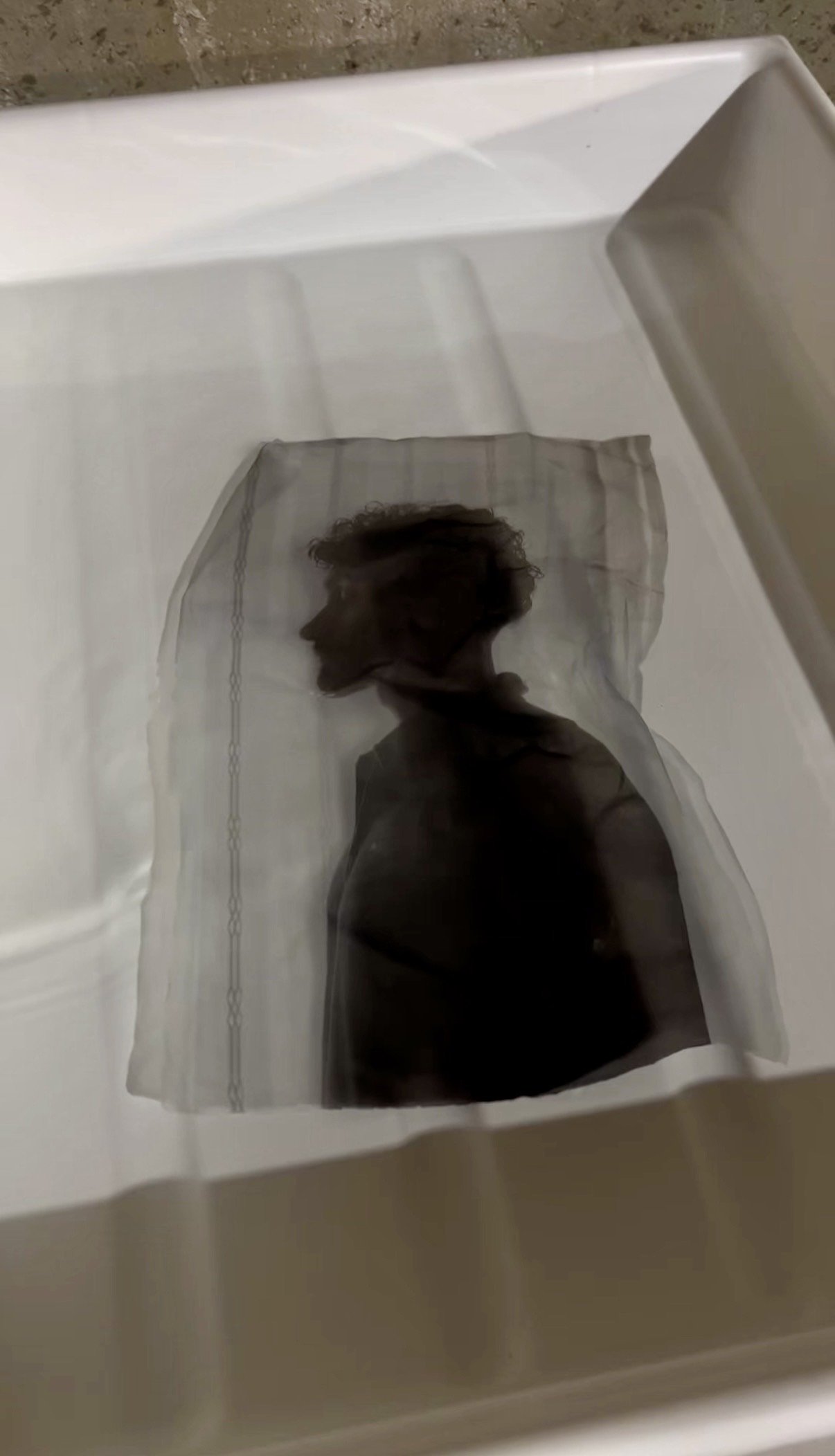
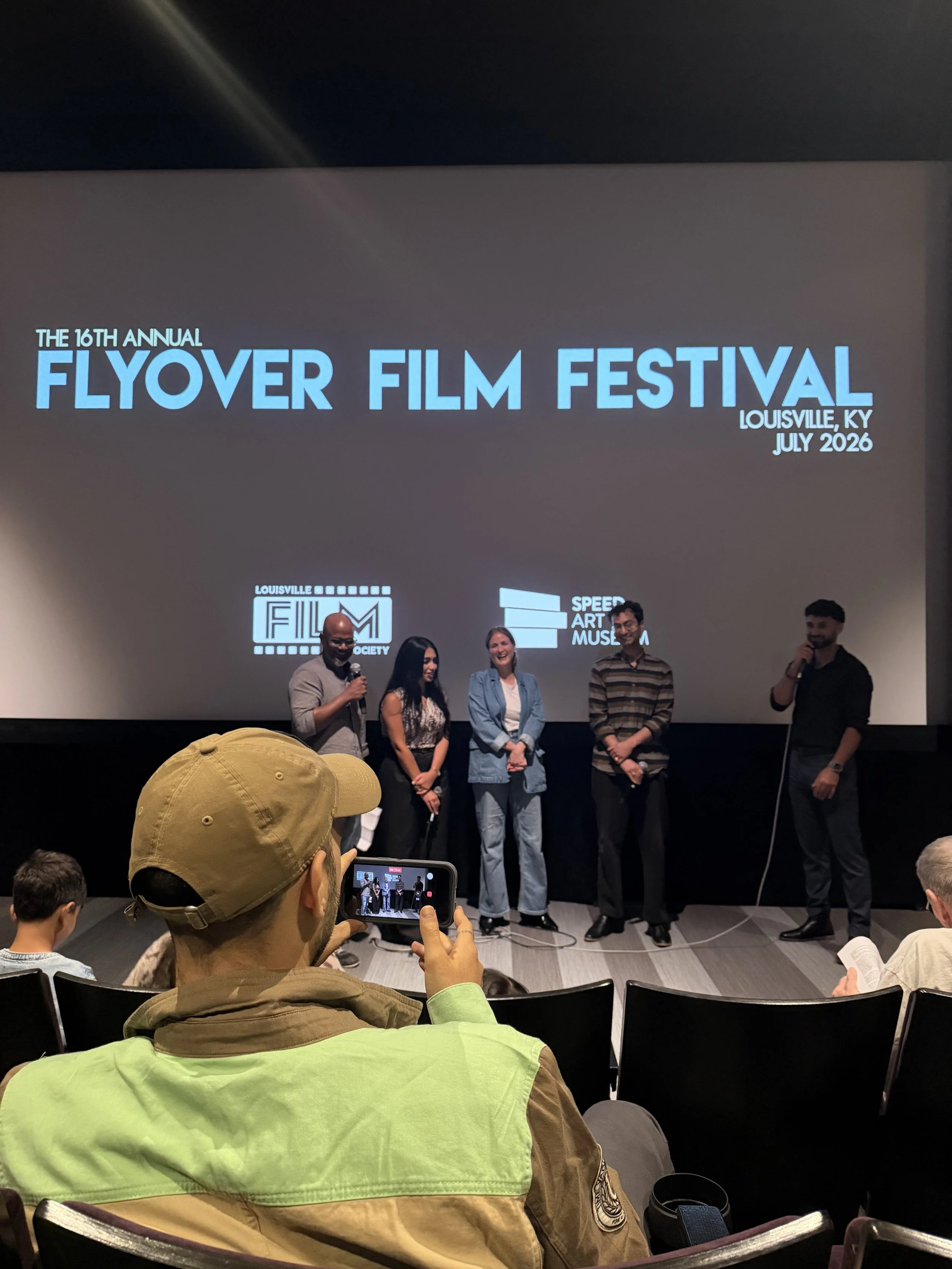
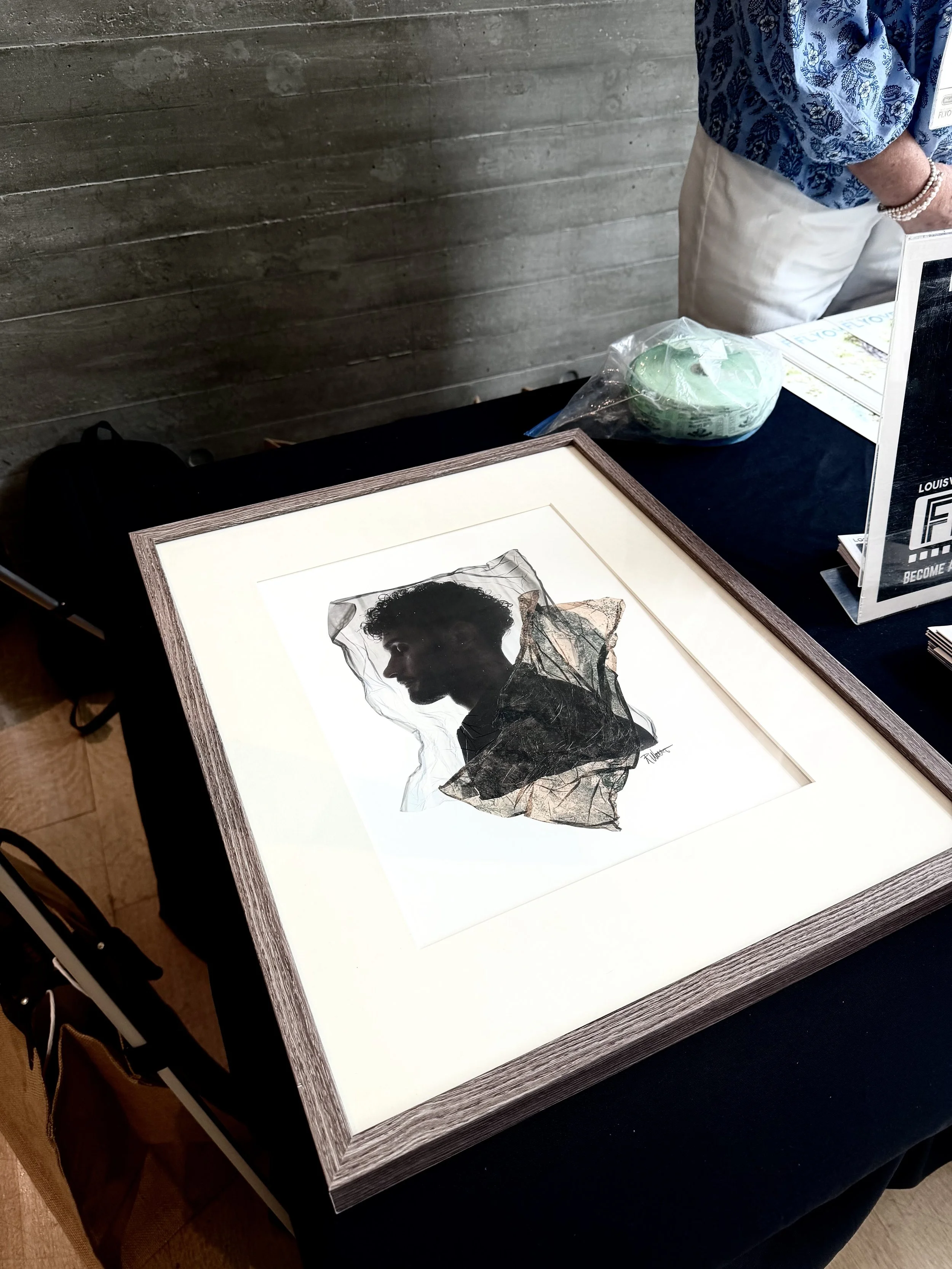
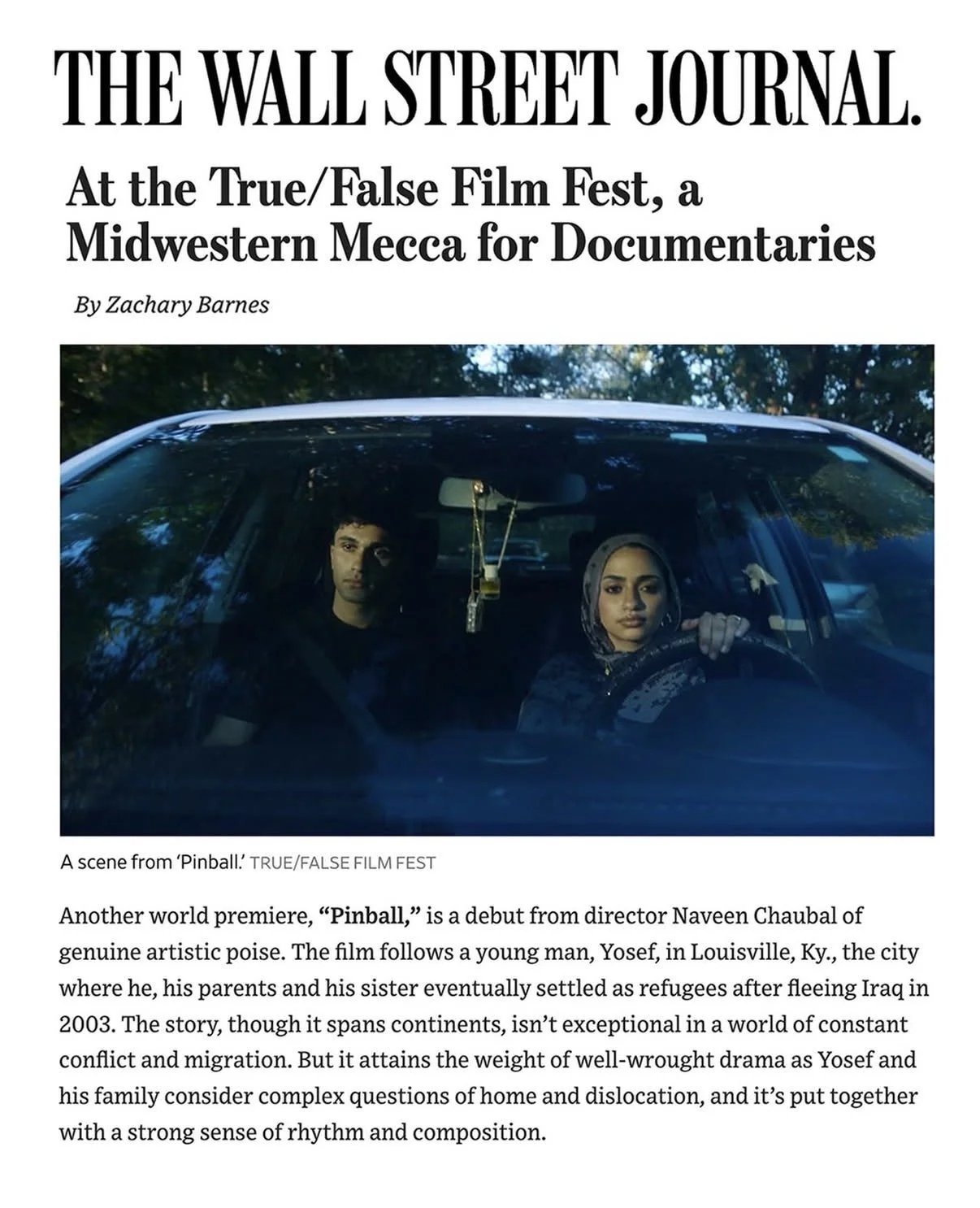
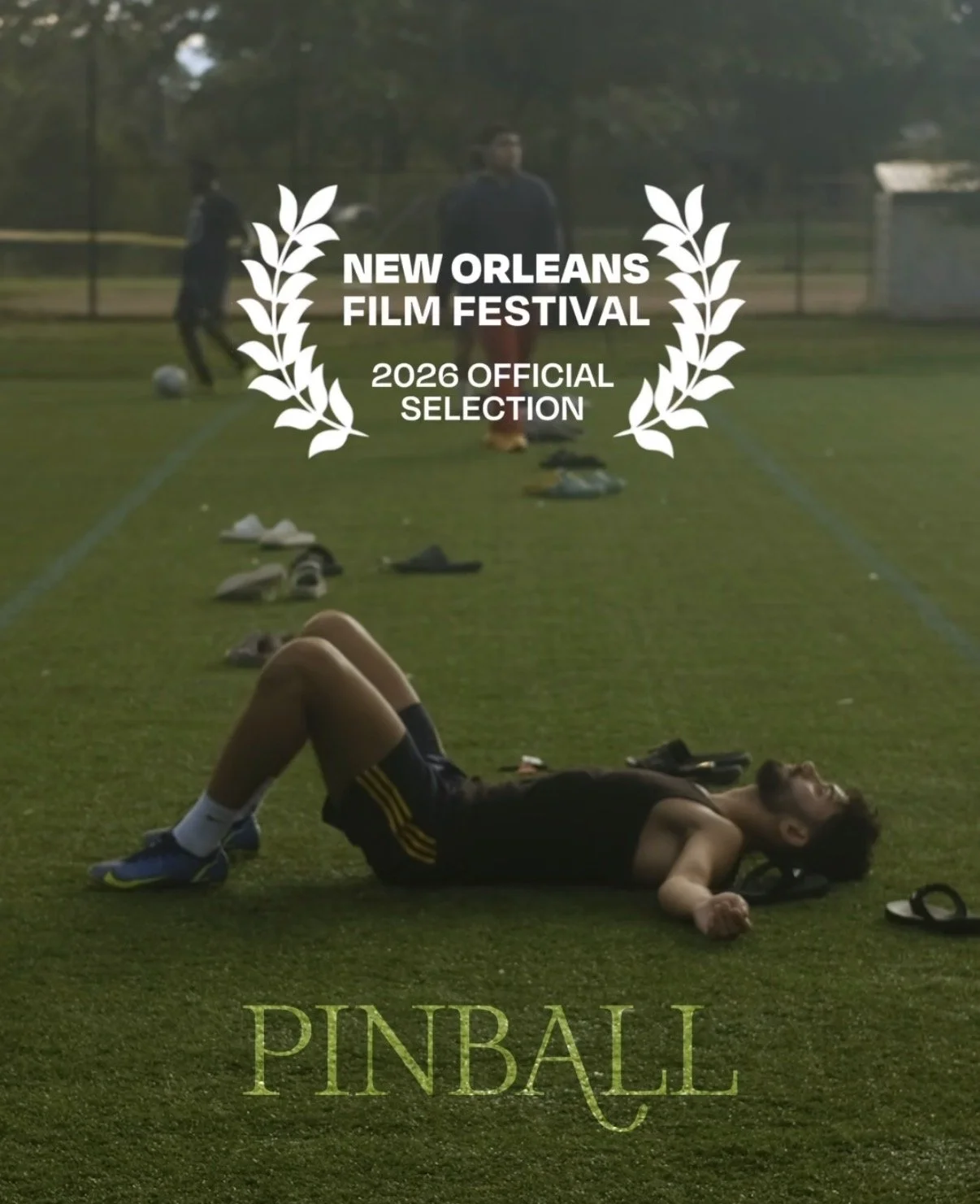
Pinball, In Process
I couldn't have imagined any of this when I first started experimenting with emulsion lifts. There was no gallery exhibition or movie poster waiting at the end of all those failed attempts. I didn't know what the work would become. And while these opportunities have been wonderful, I don't want them to change the way I approach the work. I want there to always be room for experimentation without knowing where it will lead.
My birthday was last week, so maybe age has been on my mind more than usual.
At 20, being a beginner is your job. You’re not expected to know anything. So much of life is an experiment. We’re trying things, making mistakes, and figuring out what belongs to us. Somewhere along the way it changes. We build careers. Practices. Routines. We get good at things. We form identities around what we know how to do.
Beginnings become something you have to choose.
I don't want getting older to mean only getting better at the things I already know how to do. I think I want there to always be something I'm still figuring out. And right now, I guess that's tennis.
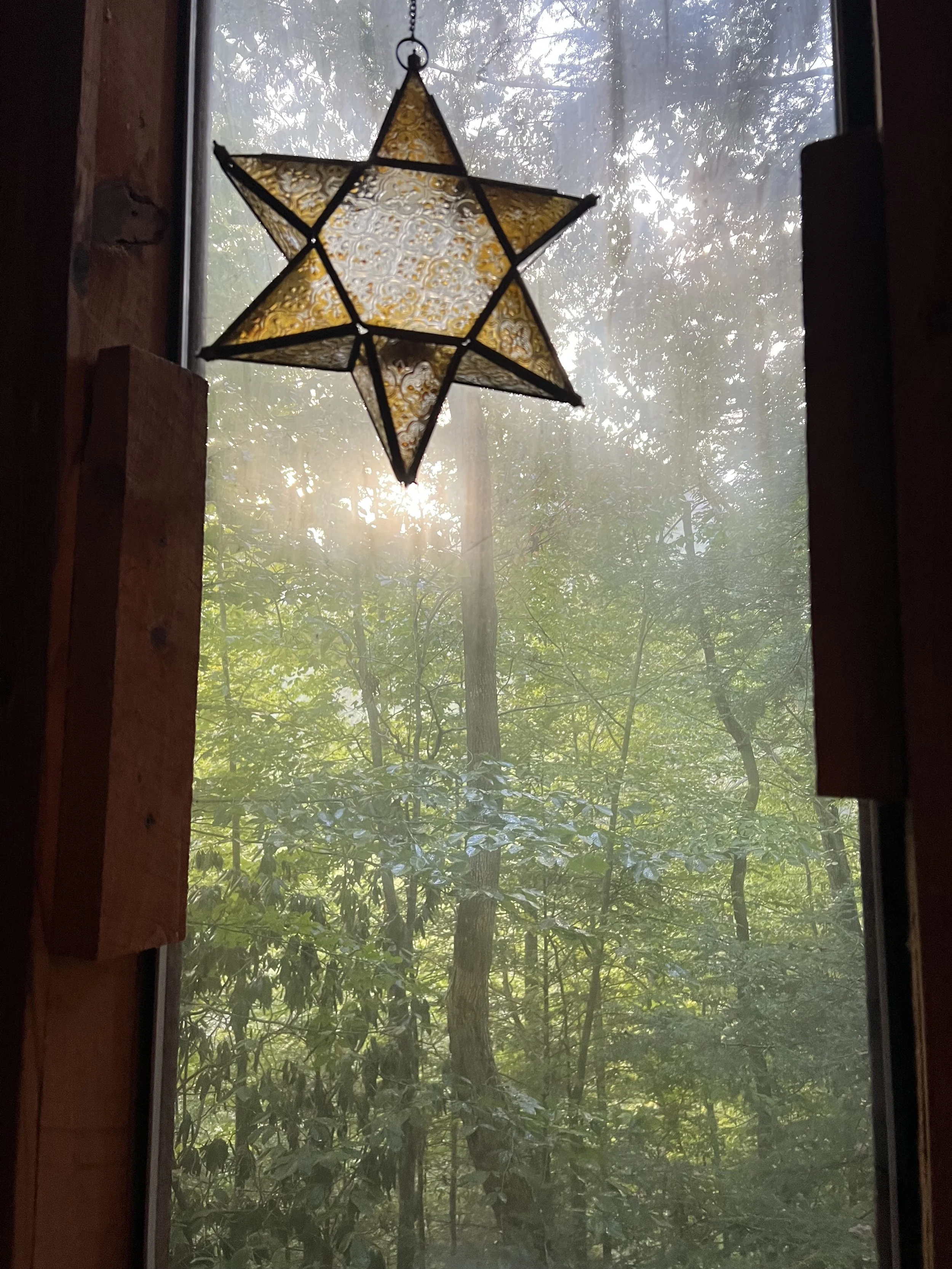
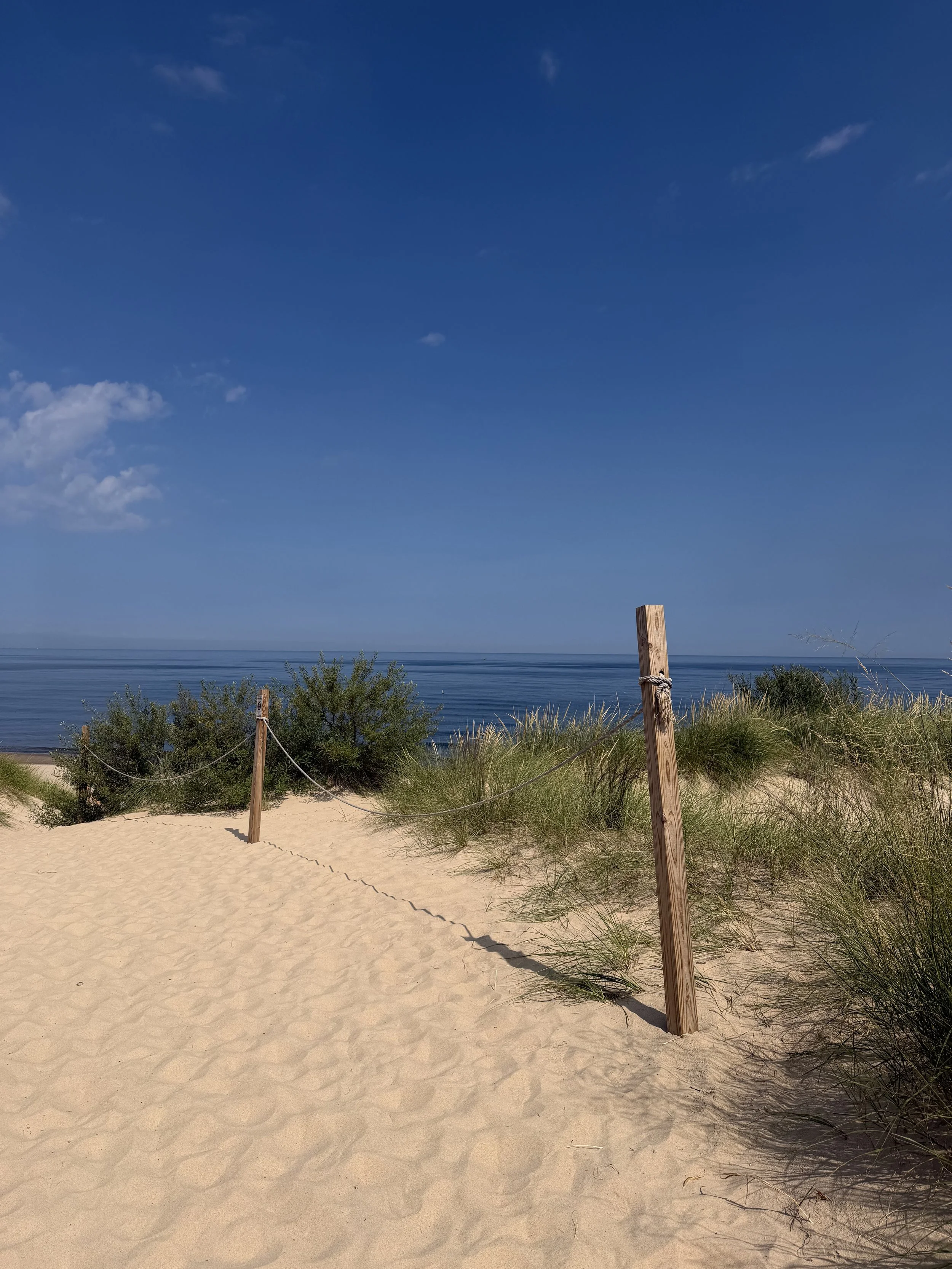
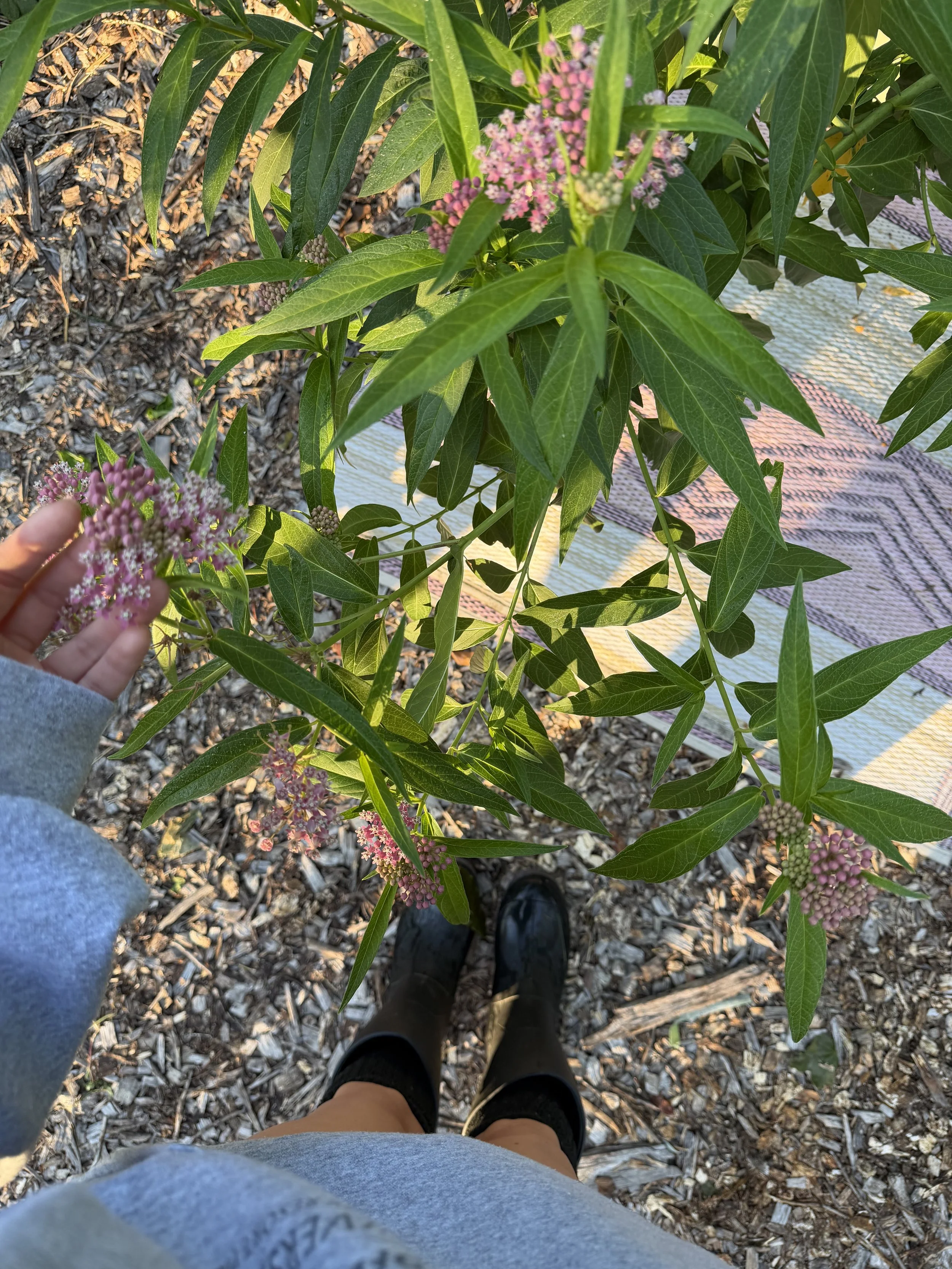
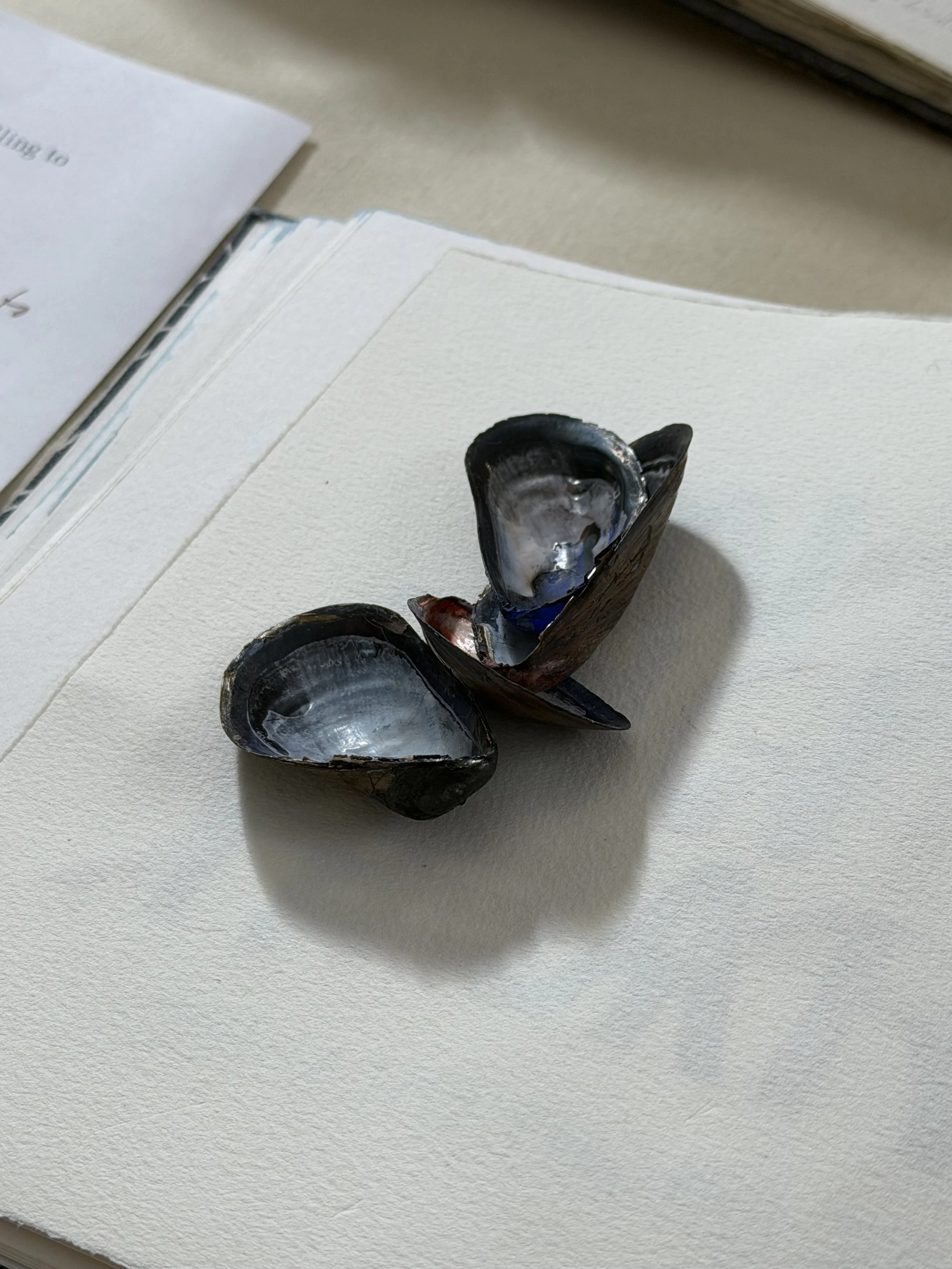
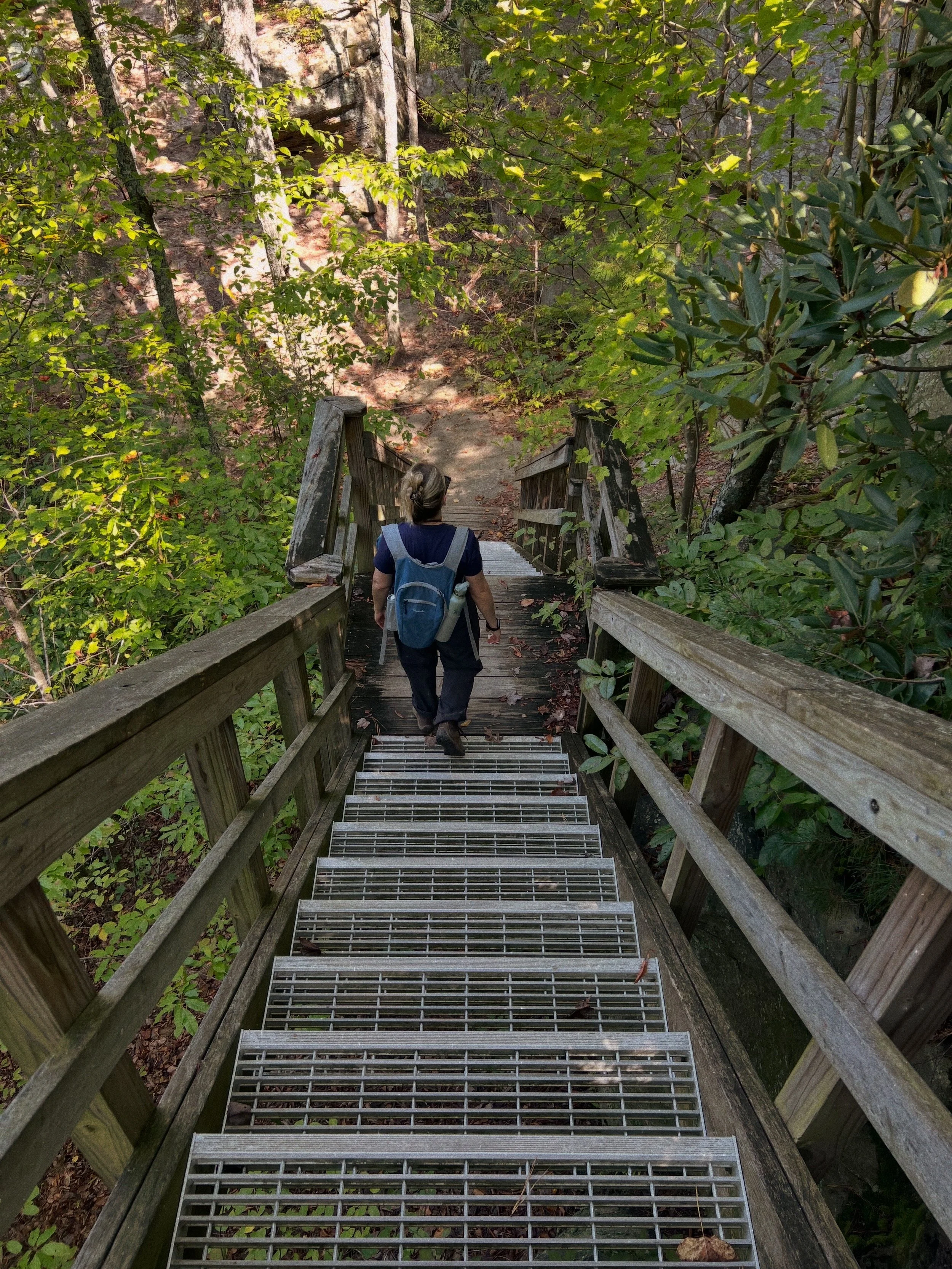
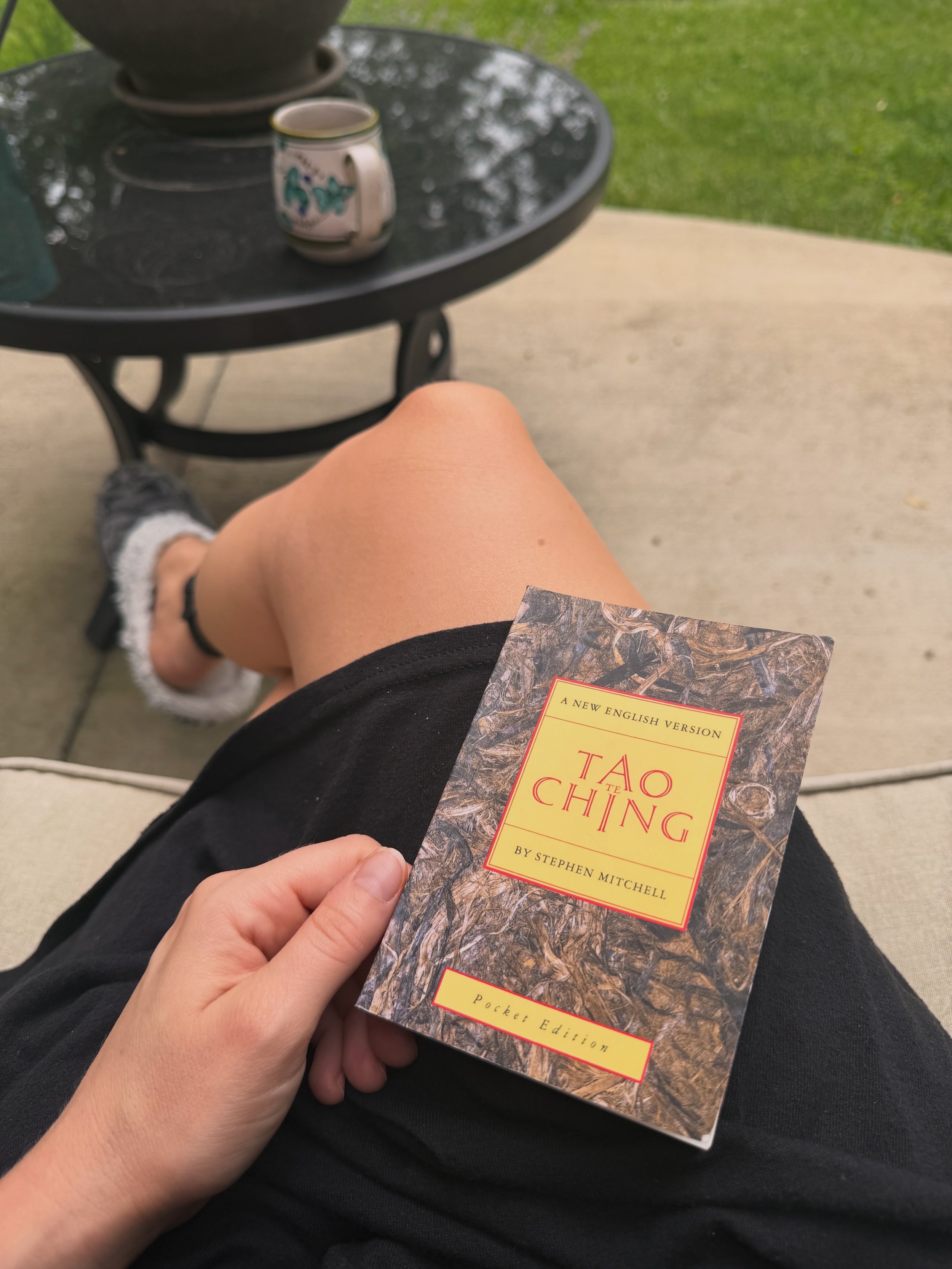
Moments this season